

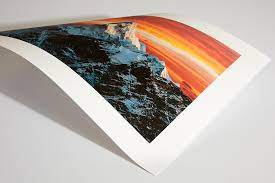
The Enduring Beauty of Traditional Prints: A Celebration of Timeless Artistry
The Timeless Appeal of Prints in Art
Printmaking is an ancient art form that has stood the test of time, captivating audiences with its unique beauty and intricate techniques. From woodcuts to etchings, prints offer a glimpse into the creative process of artists and provide a tangible connection to their vision.
One of the defining characteristics of prints is their reproducibility. Unlike one-of-a-kind paintings or sculptures, prints allow artists to create multiple copies of their work, making art more accessible to a wider audience. This democratization of art has played a crucial role in shaping the art world and expanding its reach beyond elite circles.
Prints come in various forms, each with its own distinct qualities. Woodcuts, for example, involve carving an image into a block of wood and then transferring it onto paper or fabric. The resulting prints often have a bold and graphic quality, with visible textures that add depth to the artwork.
Etchings, on the other hand, are created by incising an image onto a metal plate coated with acid-resistant material. The plate is then submerged in acid, which bites into the exposed areas, creating grooves that hold ink. When the plate is pressed onto paper, the ink is transferred, resulting in finely detailed prints with delicate lines and shading.
Linocuts are another popular form of printmaking that involves carving an image into a sheet of linoleum. The raised areas hold ink while the carved-away sections remain white when printed. This technique allows for bold contrasts and crisp lines, making linocuts ideal for creating striking compositions.
Despite advances in digital technology, traditional printmaking techniques continue to hold a special place in the hearts of artists and collectors alike. The tactile nature of prints, combined with the craftsmanship required to create them, imbues each piece with a sense of authenticity and history that cannot be replicated by mass-produced digital prints.
Whether displayed as standalone works or incorporated into mixed-media pieces, prints add depth and texture to any art collection. Their versatility and timeless appeal ensure that printmaking will continue to inspire artists and art enthusiasts for generations to come.
Top 6 Tips for Achieving Perfect Prints Every Time
- Choose high-quality paper for better print results.
- Ensure your printer settings match the type of paper you are using.
- Calibrate your monitor to ensure accurate colours in your prints.
- Consider the resolution of your images for optimal print quality.
- Use a colour profile to maintain consistency across different prints.
- Allow prints to dry fully before handling to prevent smudging.
Choose high-quality paper for better print results.
Selecting high-quality paper is essential for achieving superior print results when creating prints. The choice of paper can significantly impact the overall look and feel of the artwork, enhancing colours, textures, and details. Opting for premium paper not only ensures better durability and longevity but also elevates the visual impact of the print, showcasing the artist’s work in the best possible light. By investing in high-quality paper, artists can enhance the overall aesthetic appeal of their prints and create a more engaging viewing experience for art enthusiasts.
Ensure your printer settings match the type of paper you are using.
To achieve optimal results when printing, it is essential to ensure that your printer settings are aligned with the type of paper you are using. Matching the printer settings to the paper type helps to prevent issues such as smudging, bleeding, or poor print quality. By selecting the appropriate settings, such as paper thickness and print quality, you can enhance the overall appearance of your prints and ensure that they turn out crisp and professional-looking. Taking the time to adjust these settings accordingly can make a significant difference in the final output of your printed materials.
Calibrate your monitor to ensure accurate colours in your prints.
Ensuring accurate colours in your prints begins with calibrating your monitor. By adjusting the settings of your screen to match the colour profile of your printer, you can achieve consistency and precision in the reproduction of your artwork. Calibrating your monitor helps to avoid discrepancies between what you see on screen and the final printed result, ensuring that the colours are true to the original intent of the artist. This attention to detail not only enhances the quality of your prints but also elevates the overall viewing experience for both creators and viewers alike.
Consider the resolution of your images for optimal print quality.
When creating prints, it is crucial to consider the resolution of your images to ensure optimal print quality. High-resolution images contain more detail and clarity, resulting in sharper and more vibrant prints. Low-resolution images may appear pixelated or blurry when printed at a larger scale. By using high-resolution images, you can enhance the overall quality of your prints and create stunning visual artworks that truly stand out.
Use a colour profile to maintain consistency across different prints.
When creating prints, it is essential to use a colour profile to ensure consistency across different prints. By applying a colour profile, you can maintain the integrity of the colours and hues in your artwork, regardless of the printing method or materials used. This attention to detail not only enhances the overall quality of the prints but also helps to preserve the artist’s original vision, resulting in a cohesive and professional finish across all reproductions.
Allow prints to dry fully before handling to prevent smudging.
To preserve the integrity of your prints, it is essential to allow them to dry fully before handling to prevent smudging. Patience is key when it comes to printmaking, as rushing the drying process can compromise the quality of the final piece. By giving your prints adequate time to dry, you ensure that the ink sets properly and the colours remain vibrant. This simple tip can make a significant difference in maintaining the pristine appearance of your prints for years to come.