

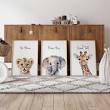
Nursery Prints: Ideas for a Calm and Characterful Baby’s Room
Nursery Prints: A Thoughtful Finishing Touch for Your Baby’s Room
Decorating a nursery is an opportunity to create a space that feels calm, welcoming and personal. Nursery prints can bring colour and character to the room without requiring a full redesign. From gentle illustrations to bold shapes and treasured family photographs, the right artwork can make a nursery feel complete.
Choosing a style
Start by thinking about the atmosphere you would like to create. Soft colours, nature-inspired illustrations and simple line drawings can contribute to a restful feel, while brighter palettes and playful patterns add energy. There is no single style that suits every nursery: the best choice is one that works with your home and feels enjoyable to live with.
- Animal prints: A familiar favourite, with options ranging from delicate woodland creatures to colourful, characterful illustrations.
- Nature-inspired artwork: Botanicals, skies, flowers and landscapes can bring a gentle connection to the outdoors.
- Alphabet and number prints: Graphic and educational, these can add a personal touch without making the room feel overly themed.
- Abstract designs: Shapes, colour blocks and simple patterns can complement a contemporary interior and remain appealing as tastes change.
- Personalised prints: A name, birth details or a meaningful date can make artwork feel especially individual.
Think about colour and scale
Nursery prints do not have to match every item in the room. Instead, choose one or two colours that connect with existing details, such as bedding, curtains or a rug. A contrasting shade can also make a print stand out and give a neutral scheme more definition.
Consider the size of the wall as well as the artwork. A single large print can make a confident focal point, while a small group of prints gives you the chance to combine different images. Before hanging anything, try arranging paper templates on the wall to get a sense of the spacing and overall balance.
Creating a gallery wall
A gallery wall can bring together different illustrations, photographs and keepsakes. To make the arrangement feel considered, look for a shared element: a consistent colour palette, similar frames or a common subject. The prints do not need to be identical, but a little repetition can help the collection feel cohesive.
Lay out the arrangement on the floor first, or use paper templates on the wall. Keep spacing relatively even, and place the central print at a comfortable viewing height for adults. A nursery can change quickly, so choose an arrangement that is easy to update as the room evolves.
Choosing materials and frames
Prints are available on a range of papers and other materials. A matte finish tends to reduce glare, while a smooth finish can give colours a more vivid appearance. When selecting a frame, consider how it will look alongside the furniture and whether it will be practical to clean.
For a nursery, make sure frames and wall fixings are firmly secured. Avoid positioning heavy or breakable items directly above a cot, bed or changing area. If you prefer a softer look, unframed prints or lightweight alternatives may be worth considering, provided they are displayed securely and kept out of reach.
Make room for change
Nursery artwork does not have to be chosen for a particular age or stage. Prints with simple imagery, favourite animals or colours that work throughout the home may remain suitable as the room changes from nursery to bedroom. Interchangeable frames also make it easy to refresh the display without replacing everything.
Above all, choose artwork that feels meaningful to you. A carefully selected nursery print can be a small detail with a lasting place in the family home: a gentle illustration, a personal keepsake or simply an image that makes you smile.
7 Essential Tips for Choosing Nursery Prints: Creating a Safe and Inviting Space
- Choose calming colours for a restful feel.
- Hang prints at your child’s eye level.
- Use sturdy, shatterproof frames.
- Pick washable or wipe-clean materials.
- Mix sizes for visual interest.
- Leave space between prints to avoid clutter.
- Choose designs that can grow with your child.
Choose calming colours for a restful feel.
Choose calming colours to create a restful feel in the nursery. Soft shades such as muted greens, gentle blues, warm neutrals and pale pinks can help the room feel peaceful without looking plain. For a balanced look, choose prints that complement the existing décor, using subtle contrasts to add interest while keeping the overall palette soothing.
Hang prints at your child’s eye level.
Hang nursery prints at your child’s eye level to make the artwork easier for them to see and enjoy as they grow. This can help the room feel more personal and inviting, giving little ones the chance to notice familiar colours, shapes and characters. Keep prints and frames securely fixed, and avoid placing heavy items above the cot or bed.
Use sturdy, shatterproof frames.
Choose sturdy, shatterproof frames for nursery prints to make them more suitable for a family space. Lightweight frames made from materials such as acrylic or durable plastic are less likely to break than glass if knocked or dropped. Whichever style you choose, secure it firmly to the wall and keep it out of reach of little hands.
Pick washable or wipe-clean materials.
Choose washable or wipe-clean nursery prints to make everyday messes easier to manage. Little hands, splashes and sticky fingerprints are part of family life, so durable materials can help artwork stay looking fresh with minimal effort. Check the care instructions before buying, and use a soft cloth or the recommended cleaning method to avoid damaging the print.
Mix sizes for visual interest.
Mixing print sizes adds depth and visual interest to a nursery display. Pair a larger piece with smaller prints to create a natural focal point, or combine different dimensions in a gallery wall for a relaxed, collected look. For a balanced arrangement, keep a shared element—such as colour, subject or frame style—throughout, and try laying the prints out before hanging them.
Leave space between prints to avoid clutter.
Leave a little space between nursery prints to help each image stand out and keep the wall feeling calm rather than cluttered. Even spacing creates a sense of balance, whether you’re arranging a pair of prints or building a gallery wall. Before hanging them, lay out the arrangement on the floor or use paper templates on the wall to find a comfortable gap that suits the size of your artwork and the room.
Choose designs that can grow with your child.
Choose nursery prints that can grow with your child, so the room feels just as welcoming as their interests change. Timeless illustrations, nature-inspired artwork, simple shapes and versatile colours can suit a baby’s nursery and an older child’s bedroom alike. Avoid designs that feel tied to a particular age or short-lived trend, and you can refresh the room over time without replacing every print.