

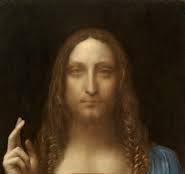
The Timeless Mastery of Leonardo da Vinci’s Iconic Paintings
The Timeless Genius of Leonardo da Vinci’s Paintings
Leonardo da Vinci, the renowned Italian artist, and polymath, is widely celebrated for his exceptional contributions to the art world. Among his many talents, da Vinci’s paintings stand out as masterpieces that continue to captivate audiences centuries after their creation.
The Mona Lisa
One of da Vinci’s most famous works is the enigmatic portrait of the Mona Lisa. Painted between 1503 and 1506, this iconic masterpiece showcases da Vinci’s unparalleled skill in capturing human emotion and expression. The Mona Lisa’s subtle smile and mysterious gaze have intrigued art lovers and scholars for generations, making it one of the most recognisable paintings in history.
The Last Supper
Another monumental work by da Vinci is “The Last Supper,” a depiction of the biblical scene where Jesus shares a final meal with his disciples. Painted on a wall in Milan’s Santa Maria delle Grazie church, this masterpiece showcases da Vinci’s innovative use of perspective and composition. The intricate details and emotional depth of each figure make “The Last Supper” a timeless representation of religious art.
Vitruvian Man
While not a traditional painting, da Vinci’s Vitruvian Man is a groundbreaking illustration that exemplifies his fascination with human anatomy and proportion. Created around 1490, this iconic drawing depicts a man inscribed within both a circle and a square, symbolising the ideal proportions of the human body according to ancient Roman architect Vitruvius. The Vitruvian Man remains a symbol of harmony and symmetry in art and science.
Legacy of Innovation
Leonardo da Vinci’s paintings not only showcase his technical mastery but also reflect his insatiable curiosity about the world around him. His meticulous attention to detail, innovative techniques, and profound understanding of human anatomy set him apart as one of history’s greatest artists.
As we admire da Vinci’s paintings today, we continue to be inspired by his ability to blend science and art seamlessly. His works serve as enduring testaments to the power of creativity and imagination, reminding us of the timeless genius that defines Leonardo da Vinci’s legacy.
Exploring the Timeless Mastery of Leonardo da Vinci’s Paintings: 9 Reasons for Their Enduring Appeal
- Leonardo da Vinci’s paintings exhibit exceptional technical skill and attention to detail.
- His works showcase a deep understanding of human anatomy and expression.
- Da Vinci’s paintings, such as the Mona Lisa, continue to intrigue viewers with their enigmatic qualities.
- His innovative use of perspective revolutionised the way artists approached composition.
- The emotional depth portrayed in da Vinci’s paintings evokes powerful responses from audiences.
- His exploration of light and shadow adds a sense of realism and drama to his artworks.
- Da Vinci’s ability to capture subtle nuances in facial expressions sets his portraits apart as timeless masterpieces.
- His diverse range of subjects, from religious scenes to scientific studies, demonstrates his versatility as an artist.
- The enduring popularity of Leonardo da Vinci’s paintings reflects their universal appeal and lasting impact on art history.
Exploring the Challenges of Appreciating Da Vinci’s Paintings: Scarcity, Damage, Interpretation, and Authenticity Concerns
- Limited number of surviving paintings by da Vinci due to his meticulous approach and experimentation with materials.
- Some of da Vinci’s paintings have suffered damage over time, affecting their original appearance and vibrancy.
- Interpretation of symbolism in da Vinci’s works can be complex and open to varying theories, leading to debate among art historians.
- High demand for viewing da Vinci’s paintings may result in overcrowded exhibitions, limiting the viewer’s experience.
- Da Vinci’s intricate techniques and detailed compositions may require closer inspection to fully appreciate, which can be challenging for casual observers.
- Authenticity concerns exist with some artworks attributed to da Vinci, leading to ongoing debates about their origins.
Leonardo da Vinci’s paintings exhibit exceptional technical skill and attention to detail.
Leonardo da Vinci’s paintings showcase an unparalleled level of technical mastery and meticulous attention to detail that set them apart as timeless works of art. From the subtle nuances of facial expressions to the intricate play of light and shadow, da Vinci’s craftsmanship is evident in every brushstroke. His ability to capture the essence of his subjects with precision and finesse demonstrates a level of skill that continues to awe and inspire art enthusiasts and scholars alike.
His works showcase a deep understanding of human anatomy and expression.
Leonardo da Vinci’s paintings stand out for their profound exploration of human anatomy and expression. Through meticulous study and observation, da Vinci was able to capture the intricacies of the human form with remarkable accuracy and detail. His ability to convey emotions and subtle nuances in facial expressions set his works apart, demonstrating a deep understanding of the complexities of human psychology and physiology. By infusing his paintings with this profound insight into the human condition, da Vinci created timeless masterpieces that continue to resonate with viewers on a deeply emotional and intellectual level.
Da Vinci’s paintings, such as the Mona Lisa, continue to intrigue viewers with their enigmatic qualities.
Da Vinci’s paintings, exemplified by the enigmatic Mona Lisa, possess a timeless allure that continues to captivate viewers. The subtle nuances and mysterious qualities depicted in his artworks invite interpretation and contemplation, drawing audiences into a world of intrigue and fascination. Through his mastery of expression and composition, Da Vinci has created paintings that transcend time, leaving a lasting impression on all who gaze upon them.
His innovative use of perspective revolutionised the way artists approached composition.
Leonardo da Vinci’s innovative use of perspective revolutionised the way artists approached composition during his time. By mastering the principles of linear perspective, da Vinci was able to create depth and realism in his paintings like never before. His meticulous attention to detail and understanding of spatial relationships allowed him to craft scenes that appeared three-dimensional, drawing viewers into the world he depicted on canvas. Da Vinci’s groundbreaking techniques paved the way for future generations of artists, influencing the evolution of art and setting new standards for visual storytelling through composition.
The emotional depth portrayed in da Vinci’s paintings evokes powerful responses from audiences.
The emotional depth portrayed in Leonardo da Vinci’s paintings is a testament to his unparalleled ability to capture the complexity of human emotions. Through subtle expressions, nuanced gestures, and intricate details, da Vinci’s artworks have the remarkable power to evoke profound responses from audiences. Whether it is the enigmatic smile of the Mona Lisa or the poignant interactions in “The Last Supper,” da Vinci’s paintings resonate with viewers on a deep emotional level, inviting them to contemplate and connect with the universal themes of love, loss, and longing depicted in his masterpieces.
His exploration of light and shadow adds a sense of realism and drama to his artworks.
Leonardo da Vinci’s exploration of light and shadow in his paintings elevates his artistry to a new level of realism and drama. By masterfully manipulating light and shadow, da Vinci creates depth, texture, and atmosphere in his works, bringing his subjects to life with a sense of tangible presence. The interplay of light and shadow not only enhances the visual impact of his paintings but also imbues them with a captivating sense of emotion and narrative. Da Vinci’s skillful use of chiaroscuro technique adds a dynamic quality to his artworks, drawing viewers into richly detailed scenes that feel both vividly real and artistically profound.
Da Vinci’s ability to capture subtle nuances in facial expressions sets his portraits apart as timeless masterpieces.
Da Vinci’s unparalleled talent for capturing the subtle nuances of facial expressions elevates his portraits to the status of timeless masterpieces. Through his meticulous attention to detail and profound understanding of human emotion, da Vinci infused his subjects with a sense of life and depth that transcends time. The delicate play of light and shadow in his paintings, coupled with the intricacies of each expression, creates a profound sense of realism that continues to resonate with viewers centuries after their creation. Leonardo da Vinci’s ability to convey the complexities of human emotion through his art remains a defining characteristic of his enduring legacy in the world of portraiture.
His diverse range of subjects, from religious scenes to scientific studies, demonstrates his versatility as an artist.
Leonardo da Vinci’s diverse range of subjects, from religious scenes to scientific studies, showcases his remarkable versatility as an artist. His ability to seamlessly transition between depicting sacred narratives with emotional depth and exploring the intricacies of human anatomy with scientific precision is a testament to his unparalleled talent. Da Vinci’s willingness to delve into various themes and disciplines not only highlights his artistic prowess but also underscores his insatiable curiosity and innovative spirit. By embracing such a wide array of subjects, da Vinci demonstrated his capacity to transcend traditional artistic boundaries and create a body of work that continues to inspire admiration and intrigue across generations.
The enduring popularity of Leonardo da Vinci’s paintings reflects their universal appeal and lasting impact on art history.
The enduring popularity of Leonardo da Vinci’s paintings is a testament to their universal appeal and profound impact on art history. Across centuries, da Vinci’s masterpieces have continued to captivate audiences worldwide, transcending cultural and geographical boundaries. His innovative techniques, meticulous attention to detail, and deep understanding of human emotion have left an indelible mark on the art world. Da Vinci’s paintings not only showcase his technical skill but also resonate with viewers on a deeply emotional and intellectual level, making them timeless treasures that will continue to inspire generations to come.
Limited number of surviving paintings by da Vinci due to his meticulous approach and experimentation with materials.
The limited number of surviving paintings by Leonardo da Vinci can be attributed to his meticulous approach and constant experimentation with materials. Da Vinci’s relentless pursuit of perfection and his innovative techniques often led him to explore unconventional methods, resulting in artworks that were not always structurally durable over time. Additionally, his meticulous attention to detail meant that he spent extended periods working on a single piece, further reducing the overall output of completed paintings. Despite the scarcity of his works, each surviving da Vinci painting serves as a precious glimpse into the creative mind of a true Renaissance master.
Some of da Vinci’s paintings have suffered damage over time, affecting their original appearance and vibrancy.
Over the centuries, some of Leonardo da Vinci’s paintings have unfortunately fallen victim to damage, diminishing their original appearance and vibrancy. Factors such as exposure to light, humidity, and improper handling have taken a toll on these masterpieces, altering their colours and details. Despite efforts to preserve and restore these artworks, the inevitable passage of time has left visible traces on some of da Vinci’s creations, serving as a poignant reminder of the delicate nature of artistic heritage.
Interpretation of symbolism in da Vinci’s works can be complex and open to varying theories, leading to debate among art historians.
Interpreting the symbolism present in Leonardo da Vinci’s works can be a complex and intricate task, often giving rise to a multitude of theories and perspectives among art historians. The depth and intricacy of da Vinci’s symbolism invite diverse interpretations, sparking debates that delve into the artist’s intentions and hidden meanings. As scholars dissect the layers of symbolism in da Vinci’s paintings, they uncover a rich tapestry of allegorical references and enigmatic symbols that challenge conventional understanding, adding to the mystique and allure of his timeless creations.
High demand for viewing da Vinci’s paintings may result in overcrowded exhibitions, limiting the viewer’s experience.
The high demand for viewing Leonardo da Vinci’s paintings can sometimes lead to overcrowded exhibitions, which in turn may diminish the viewer’s experience. Long queues, crowded galleries, and limited viewing time due to the sheer number of visitors can detract from the opportunity to fully appreciate and immerse oneself in the intricate details and profound beauty of da Vinci’s artworks. The challenge of navigating through a crowded exhibition space can create a sense of rush and distraction, potentially hindering the viewer’s ability to engage with the paintings on a deeper level and fully absorb their artistic significance.
Da Vinci’s intricate techniques and detailed compositions may require closer inspection to fully appreciate, which can be challenging for casual observers.
Da Vinci’s intricate techniques and detailed compositions, while awe-inspiring, may pose a challenge for casual observers who seek to fully appreciate his paintings. The subtle nuances and hidden complexities within his works often reveal themselves upon closer inspection, demanding a level of engagement and scrutiny that goes beyond a cursory glance. Delving into the depths of Da Vinci’s artistry requires patience and a discerning eye, as each brushstroke and element serves a purpose in conveying his profound vision.
Authenticity concerns exist with some artworks attributed to da Vinci, leading to ongoing debates about their origins.
Authenticity concerns surround certain artworks attributed to Leonardo da Vinci, sparking ongoing debates about their origins. The art world grapples with the challenge of distinguishing genuine da Vinci creations from potential imitations or misattributions, adding layers of complexity to the study and appreciation of his oeuvre. Scholars and experts continue to scrutinise these disputed works, employing meticulous research and scientific analysis to unravel the mysteries surrounding their authorship. As these debates persist, the quest for authenticity sheds light on the intricate process of verifying and preserving da Vinci’s artistic legacy for future generations.