

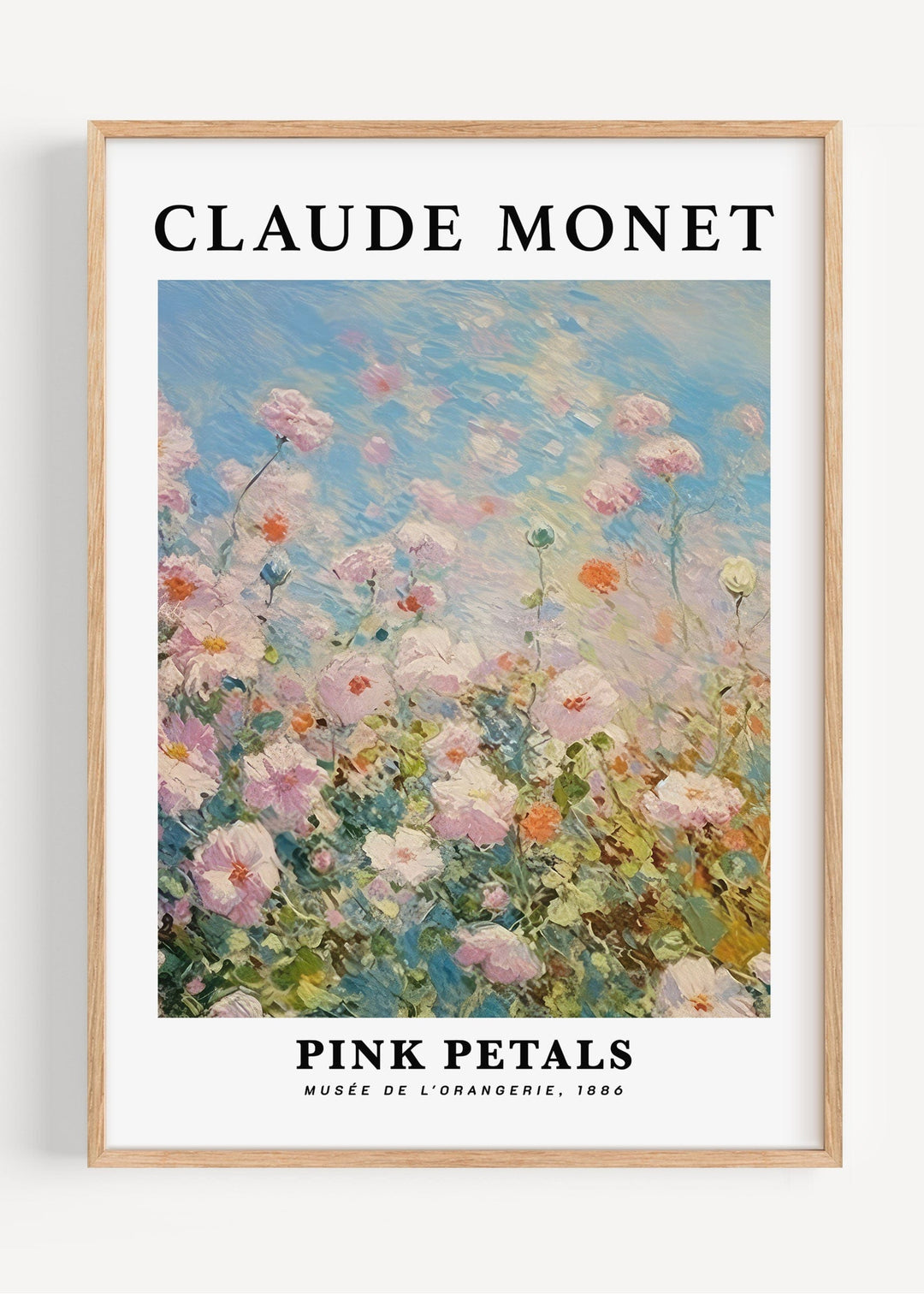
Exploring the Timeless Beauty of Claude Monet’s Paintings
The Timeless Beauty of Claude Monet’s Paintings
Claude Monet, a pioneering figure in the Impressionist movement, is renowned for his breathtaking landscapes and captivating use of light and colour. Born in Paris in 1840, Monet’s artistic talent blossomed from a young age, leading him to become one of the most celebrated painters in art history.
Monet’s fascination with capturing the fleeting effects of light on nature is evident in his iconic series of paintings such as “Water Lilies,” “Haystacks,” and “Rouen Cathedral.” His masterful brushstrokes and vibrant palette create immersive scenes that transport viewers to tranquil gardens, shimmering ponds, and picturesque countryside settings.
One of Monet’s most famous works, “Impression, Sunrise,” not only gave rise to the term “Impressionism” but also exemplifies his ability to convey mood and atmosphere through his art. The painting’s hazy depiction of a sunrise over the port of Le Havre showcases Monet’s innovative approach to capturing the essence of a moment.
Throughout his career, Monet continued to push artistic boundaries, experimenting with new techniques and perspectives. His later works, characterised by bold brushwork and abstract forms, demonstrate his evolution as an artist unafraid to challenge conventions and explore the limits of perception.
Today, Claude Monet’s paintings continue to inspire and captivate audiences around the world. From museum exhibitions to art enthusiasts’ private collections, his timeless creations serve as a testament to the enduring power of art to evoke emotion and spark imagination.
Exploring Claude Monet: Answers to 8 Frequently Asked Questions About His Iconic Paintings
- What are 5 facts about Claude Monet?
- Why are Monet’s paintings so famous?
- How would you describe Monet’s paintings?
- How many paintings did Monet do?
- How many paintings did Claude Monet paint?
- What is Claude Monet most popular painting?
- What is Claude Monet’s masterpiece?
- Are Claude Monet paintings worth anything?
What are 5 facts about Claude Monet?
Claude Monet, the iconic Impressionist painter, is a figure shrouded in artistic brilliance and innovation. Here are five fascinating facts about this legendary artist: Firstly, Monet was a master of capturing the effects of light and atmosphere in his paintings, revolutionising the art world with his unique style. Secondly, he was a key figure in the Impressionist movement, known for his dedication to portraying nature’s beauty in its purest form. Thirdly, Monet’s series paintings, such as “Water Lilies” and “Haystacks,” showcase his commitment to exploring the same subject under varying conditions of light and weather. Additionally, Monet’s passion for gardening is reflected in his stunning Giverny garden, which served as inspiration for many of his later works. Lastly, despite facing financial struggles early in his career, Monet’s perseverance and artistic vision ultimately led him to become one of the most revered painters in history.
Why are Monet’s paintings so famous?
Claude Monet’s paintings have achieved enduring fame for several compelling reasons. Firstly, his innovative approach to capturing the effects of light and atmosphere in nature revolutionised the art world and gave birth to the Impressionist movement. Monet’s use of vibrant colours, loose brushwork, and emphasis on capturing fleeting moments created a sense of immediacy and emotion in his works that resonated with audiences. Additionally, his dedication to exploring different subject matters such as landscapes, water lilies, and cityscapes showcased his versatility as an artist. Through his unique vision and technical skill, Monet’s paintings transcend time and continue to captivate viewers with their beauty and emotional depth.
How would you describe Monet’s paintings?
Claude Monet’s paintings can be described as vivid and immersive visual experiences that capture the essence of nature through the play of light, colour, and atmosphere. His brushstrokes are dynamic and expressive, conveying a sense of movement and life within his landscapes and scenes. Monet’s unique ability to depict the interplay of light on water, foliage, and sky creates a sense of tranquillity and harmony in his works, inviting viewers to step into the serene worlds he creates on canvas. Overall, Monet’s paintings are a celebration of nature’s beauty and a testament to his mastery of capturing fleeting moments with unparalleled skill and sensitivity.
How many paintings did Monet do?
One of the most frequently asked questions about Claude Monet’s paintings is, “How many paintings did Monet do?” Claude Monet was an incredibly prolific artist who created thousands of paintings throughout his career. While the exact number of paintings he produced is difficult to pinpoint due to the vast body of work he left behind, it is estimated that Monet completed over 2,000 works of art. This staggering output reflects Monet’s dedication to his craft and his relentless pursuit of capturing the beauty of nature through his distinctive artistic style.
How many paintings did Claude Monet paint?
Claude Monet, a prolific artist known for his mastery of capturing light and nature, created an extensive body of work throughout his career. While the exact number of paintings he produced is difficult to pinpoint due to varying sources and the sheer volume of his output, it is estimated that Monet painted over 2,000 works in his lifetime. These paintings encompass a wide range of subjects, from serene landscapes and vibrant gardens to bustling city scenes and tranquil water lilies. Each piece reflects Monet’s dedication to capturing the essence of the natural world through his distinctive Impressionist style, making him one of the most influential artists in art history.
What is Claude Monet most popular painting?
One of Claude Monet’s most popular paintings is undoubtedly “Water Lilies.” This iconic series of artworks, created by Monet in his later years, showcases his mastery in capturing the ethereal beauty of nature through mesmerising reflections on water surfaces. The “Water Lilies” paintings are celebrated for their serene and contemplative atmosphere, inviting viewers to immerse themselves in a world of tranquillity and harmony. These timeless works have become synonymous with Monet’s artistic legacy and continue to enchant audiences with their vivid colours and poetic interpretations of the natural world.
What is Claude Monet’s masterpiece?
When discussing Claude Monet’s masterpieces, it is often debated which work stands out as his ultimate masterpiece. While opinions may vary among art enthusiasts and critics, one painting that is frequently mentioned as a strong contender for this title is “Water Lilies.” This series of paintings, depicting Monet’s beloved garden pond at Giverny, showcases his unparalleled ability to capture the interplay of light, colour, and reflection in a mesmerising and almost ethereal manner. The “Water Lilies” series exemplifies Monet’s dedication to exploring the nuances of nature and his innovative approach to portraying the transient beauty of the natural world.
Are Claude Monet paintings worth anything?
The value of Claude Monet paintings transcends mere monetary worth, encompassing cultural significance and artistic legacy. Renowned for his innovative Impressionist style and masterful use of light and colour, Monet’s works hold immense artistic merit that resonates with art collectors, historians, and enthusiasts alike. Beyond financial appraisal, the enduring appeal of Monet’s paintings lies in their ability to evoke emotion, capture fleeting moments in time, and offer a window into the artist’s creative vision. As such, the question of whether Claude Monet paintings are “worth anything” extends far beyond financial considerations to encompass their intrinsic worth as timeless masterpieces that continue to inspire generations.