

Exploring the Provocative World of Francis Bacon’s Iconic Paintings
Exploring the Enigmatic World of Francis Bacon Paintings
Francis Bacon, one of the most influential painters of the 20th century, is renowned for his bold and emotionally charged artworks that continue to captivate audiences worldwide. Born in Ireland in 1909, Bacon’s distinctive style and powerful imagery have left an indelible mark on the art world.
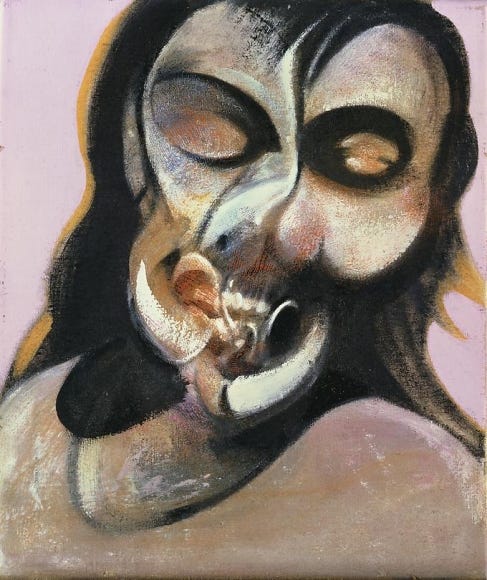
Bacon’s paintings often depict distorted and contorted figures in a raw and visceral manner, reflecting his deep exploration of human emotion and existential themes. His use of bold brushstrokes and intense colours creates a sense of tension and unease, drawing viewers into a world of psychological depth and complexity.
One of Bacon’s most famous works is “Three Studies for Figures at the Base of a Crucifixion” (1944), which exemplifies his fascination with the human form and its capacity for both beauty and horror. The haunting figures in this triptych convey a sense of anguish and despair, inviting viewers to confront their own mortality and inner turmoil.
Throughout his career, Bacon continued to push boundaries and challenge conventions with his provocative imagery and unflinching exploration of the human condition. His paintings are not merely visual representations but powerful reflections on the fragility and complexity of existence.
Today, Francis Bacon’s legacy lives on through his timeless artworks that continue to provoke thought and evoke strong emotions in those who experience them. His ability to capture the essence of human experience in all its rawness makes him a true master of modern art.
As we delve into the enigmatic world of Francis Bacon paintings, we are reminded of the enduring power of art to transcend boundaries and speak to the deepest parts of our humanity.
Exploring the Distorted Realms: 8 Insights into Francis Bacon’s Captivating Paintings
- Francis Bacon was a renowned Irish-born British painter known for his expressive and distorted figural paintings.
- His artworks often depicted the human form in a distorted and emotionally charged manner, reflecting the anguish and existential dread of the modern era.
- Bacon’s paintings are characterized by bold brushwork, intense colors, and abstract backgrounds that create a sense of tension and unease.
- He drew inspiration from sources such as photographs, film stills, and old masters’ paintings to create his unique style.
- Bacon’s triptychs are among his most famous works, with each panel contributing to a larger narrative or emotional impact.
- His use of geometric forms and spatial ambiguity adds depth and complexity to his compositions.
- Bacon’s fascination with the human body as a site of vulnerability and violence is evident in many of his paintings.
- Exploring themes of isolation, power, sexuality, and mortality, Bacon’s works continue to captivate viewers with their raw emotion and psychological intensity.
Francis Bacon was a renowned Irish-born British painter known for his expressive and distorted figural paintings.
Francis Bacon, a celebrated Irish-born British painter, gained fame for his evocative and distorted figural paintings. His distinctive style, marked by expressive brushwork and intense colours, captured the raw emotions and complexities of the human experience. Bacon’s works continue to intrigue and resonate with audiences worldwide, showcasing his unparalleled talent for conveying deep psychological truths through his art.
His artworks often depicted the human form in a distorted and emotionally charged manner, reflecting the anguish and existential dread of the modern era.
Francis Bacon’s artworks are known for portraying the human form in a distorted and emotionally charged manner, capturing the anguish and existential dread prevalent in the modern era. Through his bold brushstrokes and intense colours, Bacon delved deep into the complexities of human emotion, presenting figures that seem to embody the inner turmoil and struggles of existence. His unique approach to depicting the human condition resonates with viewers, inviting them to confront the raw and visceral aspects of life through his powerful imagery.
Bacon’s paintings are characterized by bold brushwork, intense colors, and abstract backgrounds that create a sense of tension and unease.
Bacon’s paintings are distinguished by their bold brushwork, vibrant colours, and abstract backgrounds, all of which combine to evoke a palpable sense of tension and unease. His masterful use of these elements not only captures the viewer’s attention but also immerses them in a world of emotional depth and complexity. The interplay between the dynamic brushstrokes, vivid hues, and enigmatic backgrounds in Bacon’s works invites contemplation and introspection, leaving a lasting impact on those who engage with his art.
He drew inspiration from sources such as photographs, film stills, and old masters’ paintings to create his unique style.
Francis Bacon drew inspiration from a diverse array of sources, including photographs, film stills, and old masters’ paintings, to shape his distinctive artistic style. By incorporating elements from various mediums and historical works, Bacon infused his paintings with a sense of depth and complexity that set them apart from traditional art forms. This eclectic approach not only enriched his visual language but also allowed him to explore new realms of expression and challenge conventional boundaries in the world of art.
Bacon’s triptychs are among his most famous works, with each panel contributing to a larger narrative or emotional impact.
Bacon’s triptychs stand out as some of his most renowned works, where each panel plays a crucial role in building a cohesive narrative or evoking a profound emotional impact. By utilising the format of three panels, Bacon masterfully crafts a visual story that unfolds across multiple canvases, inviting viewers to immerse themselves in a complex and interconnected world of his creation. This deliberate structure allows for a deeper exploration of themes and emotions, enhancing the overall experience and leaving a lasting impression on those who engage with his triptychs.
His use of geometric forms and spatial ambiguity adds depth and complexity to his compositions.
Francis Bacon’s paintings are renowned for their intriguing blend of geometric forms and spatial ambiguity, which imbue his compositions with a sense of depth and complexity. By incorporating these elements into his work, Bacon creates a visual language that challenges traditional perspectives and invites viewers to explore the intricate layers of meaning within each piece. This deliberate manipulation of space and form adds an additional dimension to his artworks, enhancing the overall richness and enigmatic quality that defines his unique artistic style.
Bacon’s fascination with the human body as a site of vulnerability and violence is evident in many of his paintings.
Francis Bacon’s profound fascination with the human body as a site of vulnerability and violence permeates many of his iconic paintings. Through his distorted and emotive portrayals, Bacon delves deep into the complexities of human existence, capturing raw emotions and existential struggles. His exploration of the fragility and brutality inherent in the human form creates a visceral experience for viewers, inviting them to confront the darker aspects of humanity with unflinching honesty and intensity. In Bacon’s masterful hands, the human body becomes a canvas for exploring themes of mortality, pain, and the inherent struggles of being alive.
Exploring themes of isolation, power, sexuality, and mortality, Bacon’s works continue to captivate viewers with their raw emotion and psychological intensity.
Exploring themes of isolation, power, sexuality, and mortality, Francis Bacon’s paintings offer a profound glimpse into the human experience. Through his art, Bacon delves into the depths of these complex themes with a raw emotion and psychological intensity that resonates with viewers on a visceral level. His ability to capture the essence of these fundamental aspects of existence in such a powerful and evocative manner is what continues to captivate audiences and solidify his legacy as a masterful painter of the human condition.