

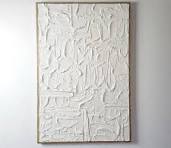
Exploring the Intriguing World of Textured Art: Adding Depth to Creativity
The Beauty of Textured Art: Adding Depth and Dimension to Creativity
Textured art is a form of artistic expression that goes beyond traditional flat surfaces, adding depth and dimension to creations. Artists use various techniques and materials to introduce tactile elements that engage the senses and evoke emotional responses in viewers.
Exploring Texture in Art
Texture can be created through a variety of methods, including layering paint, using different brush strokes, incorporating mixed media such as fabrics or found objects, or sculpting materials directly onto the canvas. These techniques allow artists to play with light and shadow, creating dynamic surfaces that invite touch and exploration.
The Impact of Texture
Textured art has the power to transform a two-dimensional piece into a multi-dimensional experience. The addition of texture can convey mood, evoke memories, or communicate complex ideas in ways that traditional flat art cannot. By engaging both the visual and tactile senses, textured art invites viewers to connect with the artwork on a deeper level.
Examples of Textured Art
From intricate oil paintings with thick impasto layers to mixed media collages incorporating fabric and paper, textured art comes in many forms. Artists like Vincent van Gogh, Anselm Kiefer, and Louise Bourgeois are known for their innovative use of texture to create compelling works that resonate with audiences around the world.
Creating Your Own Textured Art
If you’re inspired to try your hand at textured art, start by experimenting with different materials and techniques. Consider how you can use texture to enhance your artistic vision and bring your creations to life in new and exciting ways. Remember that there are no limits to what you can achieve when you embrace the beauty of texture in your artwork.
Whether you’re an artist looking to push the boundaries of your creativity or an art enthusiast seeking new forms of expression, textured art offers a rich and immersive experience that is sure to captivate and inspire. Explore the world of texture in art today and discover the endless possibilities it holds for enriching our lives through creativity.
Mastering Textured Art: 8 Tips for Adding Depth and Interest to Your Creations
- Experiment with different textures to create depth and interest in your artwork.
- Use a variety of tools and techniques such as palette knives, sponges, and brushes to add texture.
- Consider the surface you are working on – textured paper or canvas can enhance the overall effect.
- Mix different mediums like sand, gel medium, or modelling paste with your paint to create unique textures.
- Think about light and shadow when adding texture – it can dramatically change the appearance of your piece.
- Don’t be afraid to get messy and tactile with your art – embrace the physicality of building up textures.
- Practice layering different textures to build complexity and richness in your artwork.
- Study other artists who excel in textured art for inspiration and techniques.
Experiment with different textures to create depth and interest in your artwork.
To elevate your artwork and captivate viewers, consider experimenting with a diverse range of textures. By incorporating various tactile elements, you can infuse your creations with depth and visual interest, inviting observers to engage with the piece on multiple sensory levels. Whether through layering paint, using unconventional materials, or exploring new techniques, embracing different textures can transform your art into a dynamic and compelling experience that resonates with audiences.
Use a variety of tools and techniques such as palette knives, sponges, and brushes to add texture.
To enhance the texture in your artwork, it is essential to utilise a diverse range of tools and techniques. Experiment with palette knives for creating bold, sculptural textures, sponges for softer and more subtle effects, and brushes for intricate detailing. By incorporating these varied tools into your creative process, you can achieve a dynamic interplay of textures that adds depth and visual interest to your art pieces.
Consider the surface you are working on – textured paper or canvas can enhance the overall effect.
When delving into textured art, it is essential to consider the surface you are working on. Opting for textured paper or canvas can significantly enhance the overall effect of your artwork. The roughness or grain of the surface can interact with your materials, adding depth and character to your creations. By choosing the right foundation for your art, you can elevate the tactile experience for both yourself as the artist and those who engage with your work, creating a more immersive and captivating piece that resonates on multiple sensory levels.
Mix different mediums like sand, gel medium, or modelling paste with your paint to create unique textures.
By mixing different mediums such as sand, gel medium, or modelling paste with your paint, you can elevate your textured art to new heights. These additions offer a diverse range of textures that can add depth and visual interest to your creations. Experimenting with various mediums allows you to explore endless possibilities and create truly unique artworks that engage both the eyes and the fingertips. Embrace the versatility of mixed media in your artistic process to unlock a world of innovative textures and enrich your creative expression.
Think about light and shadow when adding texture – it can dramatically change the appearance of your piece.
When incorporating texture into your artwork, it is essential to consider the interplay of light and shadow. The way light interacts with the textured surface can dramatically alter the appearance and mood of your piece. Shadows cast by raised textures can add depth and dimension, while highlights on textured areas can create visual interest and focal points. By strategically manipulating light and shadow, you can enhance the overall impact of your textured art, bringing it to life in a dynamic and captivating way.
Don’t be afraid to get messy and tactile with your art – embrace the physicality of building up textures.
When delving into textured art, it’s important not to shy away from getting your hands dirty and fully immersing yourself in the tactile experience of creating. Embrace the physicality of layering textures, whether through bold brushstrokes, sculpting materials, or experimenting with mixed media. By allowing yourself to get messy and tactile, you open up a world of possibilities for building depth and dimension in your artwork, adding a dynamic and engaging element that can truly elevate your creative expression.
Practice layering different textures to build complexity and richness in your artwork.
To enhance the depth and visual interest of your artwork, consider practising the technique of layering different textures. By overlaying various materials and textures, you can create a sense of complexity and richness that adds dimension to your creations. Experimenting with layering allows you to play with light and shadow, inviting viewers to explore the intricate details of your art and experience it in a more tactile way.
Study other artists who excel in textured art for inspiration and techniques.
To enhance your understanding and skill in textured art, it is beneficial to study the works of artists who excel in this form of expression. By examining the techniques and approaches used by renowned textured artists, you can gain valuable insights, inspiration, and a deeper appreciation for the creative possibilities that texture offers. Analyzing their use of materials, layering techniques, and tactile elements can provide you with a foundation to develop your own unique style and elevate your textured art creations to new heights.