

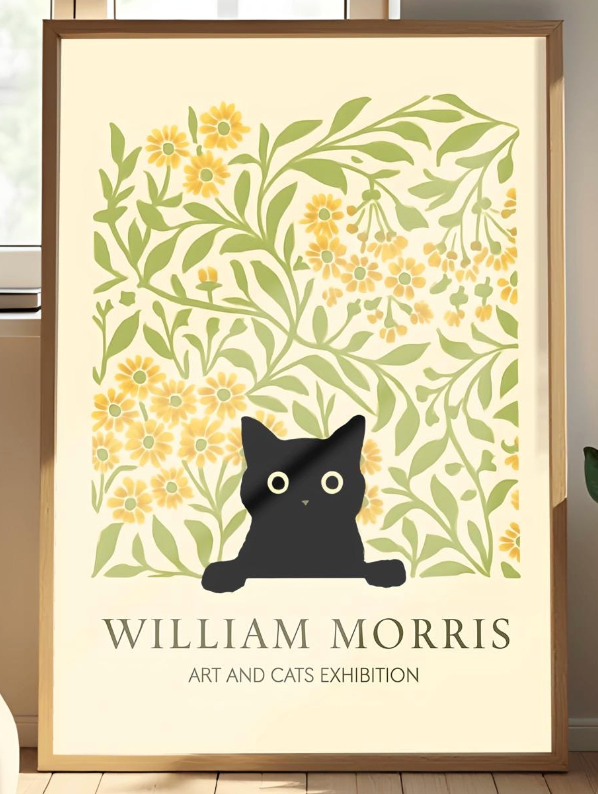
Poster Art Prints: A Guide to Choosing and Displaying Art for Your Home
Poster Art Prints: A Simple Way to Bring Art into Your Home
Art does not have to be expensive, rare or reserved for galleries. Poster art prints make creative work accessible, offering an easy way to add colour, character and a personal touch to a room. From bold graphic designs to reproductions of classic paintings, there is a print to suit almost every taste and interior.
What are poster art prints?
Poster art prints are printed images designed to be displayed on a wall. The term covers a wide range of styles, including original illustrations, photographic works, typographic designs and reproductions of artworks. Some are produced as limited editions, while others are printed in larger quantities and sold as affordable home décor.
Unlike an original painting or drawing, a print can be reproduced in different sizes and formats. This makes it possible to enjoy an image that might otherwise be difficult to own, while also giving artists and designers a way to share their work with a wider audience.
A brief history of the art poster
Posters became a popular form of public art in the nineteenth century, when advances in colour printing made striking designs easier to produce. Artists and illustrators created posters to advertise performances, products and public events. Their bold images and carefully arranged lettering soon attracted attention beyond the street, and posters began to be collected and displayed in homes.
That mix of communication and visual creativity remains part of the medium’s appeal. A poster can be decorative, but it can also reflect a moment in culture, promote an idea or tell a story in a single image.
Choosing a print that suits your space
The right poster can help set the mood of a room. Before choosing one, consider the space where it will be displayed and the effect you want it to have.
- Think about colour: Pick out a shade already present in the room for a coordinated look, or choose a contrasting colour to make the print stand out.
- Consider the scale: A large print can become a focal point, while a smaller one may work better on a narrow wall or as part of a gallery arrangement.
- Choose a subject you enjoy: Landscapes, abstract designs, portraits, architecture and typography can all bring a different feel to a space.
- Look at the overall style: Minimalist interiors may suit simple shapes and limited colour palettes, while eclectic rooms can accommodate a more varied mix.
There is no need to follow strict rules. A meaningful image or an unexpected combination can make a room feel more individual than a perfectly coordinated display.
Creating a gallery wall
A collection of poster art prints can make a striking display. For a neat, balanced arrangement, use frames of a similar style and leave consistent gaps between them. If you prefer a more relaxed look, combine different sizes, colours and subjects while keeping one element in common, such as a shared palette or theme.
It can help to plan the arrangement before putting anything on the wall. Lay the prints out on the floor, or cut paper templates to the size of each frame and temporarily arrange them on the wall. This gives you a chance to adjust the composition before hanging the finished display.
Paper, printing and framing
The look and feel of a poster depends partly on how it is printed. Matte paper tends to reduce glare and can suit illustrations or photographs with softer tones. Glossy finishes often produce more vivid colour, though they may reflect light. Paper weight and texture also affect how a print looks, so check the product details when buying online.
A frame can protect a print and help it sit comfortably within a room. A simple frame lets the artwork take centre stage, while a more decorative option can add another layer of style. If you choose to display a print without a frame, make sure it is secured in a way that will not damage the paper.
How to care for poster art prints
To help keep a print in good condition, avoid placing it in direct sunlight, which can cause colours to fade over time. Keep it away from damp areas and sources of heat, and handle the paper with clean, dry hands. Framing a valuable or limited-edition print behind protective glazing can offer additional protection from dust and handling.
Art for everyday living
Poster art prints bring creativity into everyday spaces without requiring a major investment. They can mark a personal interest, refresh a familiar room or introduce a new artist to your home. Whether displayed alone or as part of a carefully arranged collection, a well-chosen print is a simple way to make a space feel more like your own.
8 Essential Tips for Perfectly Displaying Poster Art Prints in Your Home
- Choose a print that suits your room’s colours.
- Measure your wall before buying.
- Check the print dimensions carefully.
- Use a frame to protect the artwork.
- Pick a finish that suits the lighting.
- Hang prints away from direct sunlight.
- Try a gallery wall for a bold look.
- Use removable strips to avoid wall damage.
Choose a print that suits your room’s colours.
Choose a print that complements the colours in your room to create a considered, cohesive look. You could echo a shade already found in your cushions, curtains or furniture, or pick a contrasting colour to make the artwork stand out. If the room is already full of bold patterns, a print with a simpler palette can bring balance; in a neutral space, a colourful design can add a welcome focal point.
Measure your wall before buying.
Before buying a poster art print, measure the wall space where you plan to display it. Take into account the size of the print, any frame or mount, and the furniture or features around it. A quick check helps you choose a print that feels balanced in the room—not too small to get noticed or so large that it overwhelms the space.
Check the print dimensions carefully.
Check the print dimensions carefully before buying. A print can look much larger or smaller on screen than it will in person, so measure the wall space and compare it with the listed width and height. Remember to allow for the frame, too, as this can add several centimetres to each side.
Use a frame to protect the artwork.
Use a frame to protect your poster art print from dust, creases and accidental damage. A frame with protective glazing can also help reduce exposure to light, which may fade colours over time. Choose a style that complements both the artwork and your room, and make sure the print is mounted without bending or pressing it against the glass.
Pick a finish that suits the lighting.
Choose a finish that works with the room’s lighting. Matte prints help reduce glare in bright spaces or rooms with lots of natural light, while glossy finishes can make colours appear more vivid. Before deciding, consider where the print will hang and how light falls on it throughout the day.
Hang prints away from direct sunlight.
Hang poster art prints away from direct sunlight to help prevent their colours from fading over time. Choose a spot with indirect light, or use UV-protective glazing if the print needs to be displayed in a brighter area.
Try a gallery wall for a bold look.
For a bold, eye-catching look, bring several poster art prints together in a gallery wall. Mix sizes, colours and styles to create an arrangement with personality, or give the display a more cohesive feel by choosing prints that share a theme or colour palette. Lay out the composition before hanging the frames, and leave enough space between each print to let the artwork stand out.
Use removable strips to avoid wall damage.
Use removable picture-hanging strips to display poster art prints without leaving holes or marks on the wall. They’re especially useful for renters or anyone who likes to rearrange their artwork, but check the weight limit and follow the instructions carefully. Make sure the wall and frame are clean and dry before applying the strips, and remove them slowly as directed to help prevent damage.