

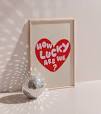
Motivational Art: Inspiring Ideas for Everyday Life
Motivational Art: Inspiration for Everyday Life
Motivational art can do more than brighten a wall. A striking image, a thoughtful phrase or a carefully chosen colour palette can offer a moment of encouragement in the middle of an ordinary day. Whether displayed at home, in a studio or at work, it can help create an environment that reflects what matters to us and reminds us of what we hope to achieve.
What is motivational art?
Motivational art takes many forms. It might be a bold typographic print, an uplifting illustration, a photograph of a favourite place or an abstract composition that suggests movement and possibility. Some pieces communicate their message directly through words; others inspire through mood, colour and imagery.
There is no single formula. What feels motivating to one person may not resonate with another. The most meaningful piece is often the one that connects with a personal goal, memory or value.
How art can shape a space
The objects around us contribute to the atmosphere of a room. A bright, energetic print can bring a sense of momentum to a workspace, while a quieter image may encourage reflection in a reading corner. Art can also make a room feel more personal, turning a blank wall into a reminder of the ideas and ambitions that matter to us.
That does not mean every piece needs to carry an obvious slogan. A landscape might evoke resilience; a portrait might represent courage; an abstract work might capture the feeling of beginning again. Sometimes inspiration comes from the emotions a piece brings to the surface, rather than from a message written across it.
Choosing art that feels personal
When choosing motivational art, start with what you want it to remind you of. Are you working towards a particular goal, building confidence or trying to make more room for creativity? A piece that speaks to your own circumstances is more likely to feel meaningful than one selected simply because it is popular.
- Look for a genuine connection: Choose an image, phrase or theme that feels relevant to your life.
- Consider the setting: Think about the room, the available light and the mood you want to create.
- Make it easy to see: Place the work somewhere you will notice it, rather than leaving it hidden behind a door or furniture.
- Trust your response: If a piece makes you pause, smile or think differently, it may be the right choice.
Words, images and interpretation
Text-based prints are a familiar form of motivational art, but words are not essential. A phrase can be direct and memorable, yet an image may leave more room for interpretation. The best choice depends on how you like to be inspired. Some people appreciate a clear reminder; others prefer an artwork that invites them to find their own meaning in it.
It is also worth choosing language carefully. A message that feels encouraging should not become another demand to be productive or positive all the time. Motivation can include patience, rest and the willingness to begin again. Art that acknowledges these quieter parts of progress can be every bit as uplifting as a bold declaration.
A daily reminder, not a quick fix
Motivational art cannot do the work for us, and it does not need to. Its value lies in the small, repeated moments of attention it can create: a pause before a busy day, a reminder of a personal intention or a fresh perspective when plans change. Over time, these moments can help make a space feel more supportive and more closely aligned with the life we want to lead.
Ultimately, motivational art is personal. It can be vivid or understated, handmade or professionally produced, textual or entirely visual. The important thing is that it means something to the person who lives with it. Chosen with care, a single artwork can become a lasting source of encouragement—and a daily reminder to keep moving towards what matters.
Crafting Inspiring Art: 9 Personalised Tips to Motivate Your Journey
- Choose words that feel personal and meaningful.
- Use bold lettering for an uplifting message.
- Pick colours that energise or calm you.
- Keep the design simple and easy to read.
- Add imagery that reflects your goals.
- Place your artwork where you’ll see it daily.
- Use encouraging words, not harsh demands.
- Leave space around the main message.
- Refresh your art when your goals change.
Choose words that feel personal and meaningful.
Choose words that feel personal and meaningful to you, rather than simply picking a popular quote. A phrase connected to your values, experiences or goals is more likely to offer genuine encouragement when you see it each day. It could be a line that reminds you to stay curious, take things one step at a time or trust your own progress. The right words need not be grand or dramatic; they simply need to resonate with you.
Use bold lettering for an uplifting message.
Use bold lettering to give an uplifting message confidence and presence. Strong, clear typography can make a few encouraging words easy to notice and remember, whether displayed above a desk or on a gallery wall. Choose a phrase that feels personal, then pair it with colours and a style that suit the space—so the artwork inspires without overwhelming its surroundings.
Pick colours that energise or calm you.
Choose colours that support the mood you want to create. Bright, warm shades such as yellow, orange and red can feel lively and energising, while cooler tones such as blue and green may bring a sense of calm. Personal associations matter too, so notice which colours help you feel focused, relaxed or inspired, and choose artwork that suits both your space and your needs.
Keep the design simple and easy to read.
Keep the design simple and easy to read so its message makes an immediate impact. Choose clear lettering, strong contrast and a layout with enough space around each element; too many colours, fonts or decorative details can distract from the words. A clean, considered design is easier to take in at a glance and lets the encouragement speak for itself.
Add imagery that reflects your goals.
Choose imagery that reflects the goals you’re working towards, whether it’s a landscape that represents adventure, a creative workspace that inspires focus or a symbol of personal growth. Seeing these images regularly can help keep your intentions in mind and make your space feel connected to the future you want to create.
Place your artwork where you’ll see it daily.
Place your motivational artwork somewhere you’ll see it every day, such as beside your desk, near the front door or above your bedside table. A regular glance can serve as a gentle reminder of your goals, values or the encouragement you need, helping the piece become part of your everyday routine rather than just another decoration.
Use encouraging words, not harsh demands.
Choose words that encourage rather than pressure. A gentle reminder such as “Take one step at a time” can feel supportive, while a harsh demand may add to stress or self-doubt. Motivational art works best when its message inspires progress with kindness, leaving room for rest, setbacks and starting again.
Leave space around the main message.
Leave plenty of space around the main message so it has room to stand out. A clear, uncluttered layout makes the words easier to read and gives them greater impact, while helping the artwork feel calm and considered.
Refresh your art when your goals change.
Refresh your motivational art as your goals evolve. A piece that once helped you take the first step may feel less relevant when you move on to a new challenge, so make time to reassess what you display. Replace it, move it to another room or pair it with something that reflects your current ambitions. Keeping your surroundings in tune with your priorities can offer a timely reminder of where you are heading.