

Thomas Kinkade Paintings: Light, Nostalgia and Enduring Appeal
Thomas Kinkade Paintings: Light, Nostalgia and Popular Appeal
Thomas Kinkade’s paintings are instantly recognisable for their glowing windows, sunlit gardens and idealised cottages. Often depicting quiet villages, country lanes and peaceful churches, his work offers an inviting vision of home and landscape. Loved by many collectors and dismissed by some critics, Kinkade remains one of the most commercially successful American artists of the late twentieth and early twenty-first centuries.
Who was Thomas Kinkade?
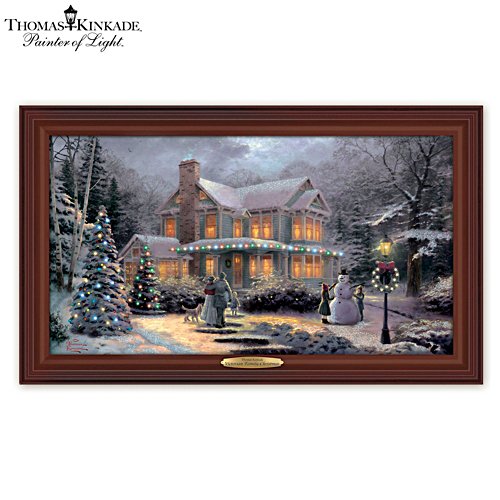
Born in California in 1958, Kinkade studied art and began his career as a painter and illustrator. He became widely known for describing himself as the “Painter of Light”, a phrase he trademarked. Light was central to his work: it streams through trees, spills from cottage windows and reflects across streams, giving familiar scenes a warm, almost enchanted atmosphere.
Kinkade died in 2012, but his paintings and reproductions continue to circulate internationally. His name is closely associated with an approach to art that makes beauty and comfort its principal aims.
What makes his paintings distinctive?
Many Kinkade paintings show carefully arranged scenes of rural life. A cottage may sit beside a flower-filled path; a village street may glow beneath a dusk sky; a church may appear among trees after a snowfall. The compositions are typically detailed and accessible, with clear focal points and a strong sense of welcome.
Light creates much of the mood. Golden illumination suggests warmth and security, while flowers, gardens and traditional architecture add to the feeling of an idealised past. Rather than pursuing realism in a strict sense, Kinkade shaped his scenes to express tranquillity, optimism and nostalgia.
Originals, reproductions and licensing
Kinkade’s work reached a broad audience through more than original paintings. Reproductions, limited editions and licensed products helped make his imagery widely available. This commercial reach was an important part of his public profile and contributed to the familiarity of his style.
When looking at a particular work, it is useful to distinguish between an original painting and a reproduction or licensed edition. Buyers should check the description, edition details, documentation and provenance, and seek independent advice where appropriate. Popularity alone does not guarantee that an artwork will increase in value.
A popular artist, a debated legacy
Kinkade’s work has prompted sharply different responses. Admirers appreciate its craftsmanship, warmth and emotional clarity, as well as its ability to make art feel welcoming rather than forbidding. For many owners, a painting is valued for the memories or sense of comfort it brings to a home.
Some critics, meanwhile, have questioned the idealised subject matter and the commercial scale of the Kinkade brand. His paintings have often been set against modern and contemporary art, where ambiguity, experimentation and challenge may be prized. The contrast reflects different expectations of what art should do: offer an inviting escape, provoke questions, or perhaps achieve both.
Why Thomas Kinkade paintings still resonate
The enduring appeal of Kinkade’s paintings lies in the consistency of their visual world. They offer familiar subjects rendered with extraordinary glow: a lit house in the dark, a garden in bloom, a village untouched by hurry. Whether regarded as decorative art, popular culture or a subject for critical debate, the paintings have secured a distinctive place in the story of American art.
For viewers drawn to scenes of warmth and quiet beauty, Kinkade’s work continues to offer an unmistakable invitation to pause and look.
8 Essential Tips for Appreciating and Caring for Thomas Kinkade Paintings
- Look for Thomas Kinkade’s signature warm, glowing light.
- Notice how cottages and gardens create a cosy, idealised mood.
- Compare the colours and details across different landscapes.
- Check whether a piece is an original painting or a reproduction.
- Ask for provenance when buying a valuable work.
- Use framing that complements the painting without overpowering it.
- Keep paintings away from direct sunlight and damp conditions.
- Explore how Kinkade’s style differs from more realistic landscape art.
Look for Thomas Kinkade’s signature warm, glowing light.
Look for Thomas Kinkade’s signature warm, glowing light: it often spills from cottage windows, filters through leafy trees or bathes a village street in a golden evening glow. This luminous effect is one of the most recognisable features of his paintings, creating a sense of warmth, comfort and nostalgia.
Notice how cottages and gardens create a cosy, idealised mood.
Notice how Kinkade’s cottages and gardens create a cosy, idealised mood. Flower-lined paths, welcoming windows and carefully tended greenery make each scene feel peaceful and inviting, as though it belongs to a simpler, unhurried world. These details are more than decoration: they help create the warmth and nostalgia that make his paintings so recognisable.
Compare the colours and details across different landscapes.
Compare the colours and details across different Thomas Kinkade landscapes to see how he creates distinct moods within his familiar, softly glowing style. Notice how warm golds and rich greens can make a cottage scene feel cosy, while cooler blues, silvers and whites lend a snowy landscape a quieter atmosphere. Look closely at features such as flowers, trees, windows and reflected light, too: these small variations reveal how Kinkade adapts each setting while preserving the inviting sense of warmth that characterises his paintings.
Check whether a piece is an original painting or a reproduction.
Before buying a Thomas Kinkade artwork, check whether it is an original painting or a reproduction, such as a print or licensed edition. Read the listing carefully and ask for details about the medium, edition size, signature and provenance; if anything is unclear, request supporting documentation or seek advice from a reputable art specialist.
Ask for provenance when buying a valuable work.
When buying a valuable Thomas Kinkade painting, ask for its provenance: the documented history of ownership and, where possible, its exhibition and sale records. Provenance can help establish authenticity and clarify whether the work is an original, a limited-edition print or another reproduction. Check that any certificates and paperwork match the artwork, and consider seeking advice from a reputable art specialist before purchasing.
Use framing that complements the painting without overpowering it.
Choose a frame that complements the painting without overpowering it. A simple frame in a warm, natural tone can echo the glow and cosy atmosphere often found in Thomas Kinkade’s work, while a subtle gold finish may suit a more traditional scene. Consider the colours and details in the painting, and leave enough visual space around it so the frame supports the artwork rather than competing with it.
Keep paintings away from direct sunlight and damp conditions.
To help preserve a Thomas Kinkade painting, keep it away from direct sunlight, which can fade colours over time, and damp conditions, which may encourage mould or damage the canvas and frame. Display it in a dry spot with stable temperatures, away from radiators, bathrooms and other sources of moisture.
Explore how Kinkade’s style differs from more realistic landscape art.
Thomas Kinkade’s paintings differ from more realistic landscape art in their emphasis on mood and idealised beauty rather than precise observation. While realist painters often depict the natural world’s textures, changing light and imperfections as faithfully as possible, Kinkade heightens colour and detail to create a welcoming, almost storybook atmosphere. His signature glowing windows, radiant skies and carefully arranged gardens make each scene feel comforting and nostalgic, inviting viewers into an imagined world rather than simply recording a real place.