

Vintage Prints: Timeless Art for Modern Homes
Vintage Prints: A Lasting Art for Modern Homes
Vintage prints have a way of making a space feel personal. Whether it’s a faded botanical illustration, a bold travel poster or a carefully composed photograph, a print from another era can bring colour, character and a sense of history to a room.
Unlike original paintings, prints were often made to be shared. They appeared in books, magazines, advertising and exhibition catalogues, carrying art and design into everyday life. Today, these pieces are prized not only for their appearance but also for the stories they tell about the tastes, technologies and ideas of their time.
What makes a print vintage?
“Vintage print” is a broad term. It may refer to a print produced decades ago, or to a newer reproduction of an older image. The distinction matters: an original period print was made during or close to the time the image first appeared, while a reproduction was created later.
Printing methods can offer useful clues. Lithography, screen printing, wood engraving and letterpress each leave distinctive marks on paper. The paper itself can also reveal something about a print’s age and production, although condition and storage affect its appearance. When authenticity or value is important, seek advice from a reputable specialist rather than relying on appearance alone.
A rich variety of styles
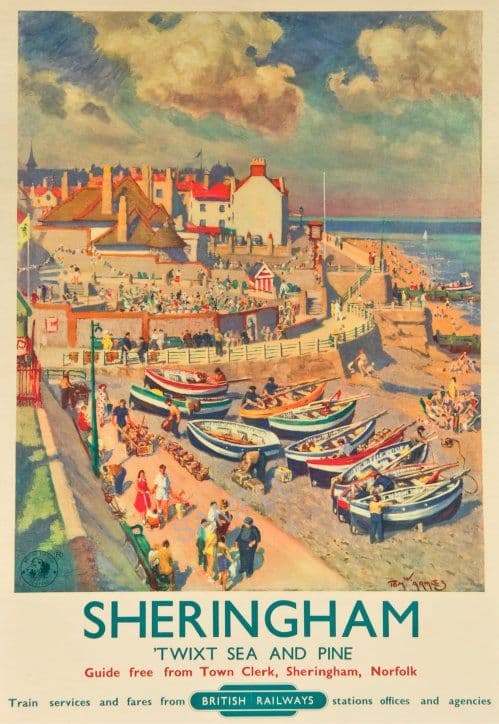
One of the pleasures of collecting vintage prints is the breadth of styles available. Art nouveau designs bring flowing lines and decorative detail; mid-century graphics favour confident shapes and striking colour; older botanical and scientific illustrations offer intricate observation. Travel posters, fashion plates, film posters and magazine covers each provide a glimpse into a particular moment in popular culture.
There is no single way to collect. Some people look for prints by a particular artist or printer, while others follow a subject, colour palette or period. A collection of related pieces can create a strong visual statement, but a single print can be just as effective as a focal point.
How to choose a vintage print
Start with the image that draws you in. Consider where the print will be displayed, how its colours work with the room and whether its scale suits the wall. If you are buying online, check the dimensions carefully and ask for clear photographs of the front, back and edges.
Condition is worth considering, too. Fading, foxing, creases and small tears are common in older paper. These signs of age may be part of a print’s character, but extensive damage can affect its stability and value. Look for accurate descriptions, a clear return policy and information about provenance where available.
Be wary of listings that use “vintage” loosely. Ask whether the item is an original print, a later reproduction or a newly printed image. A reproduction may still be an attractive and affordable choice; the important thing is to know what you are buying.
Displaying and caring for prints
Paper is sensitive to light, moisture and changes in temperature. To help preserve a print, avoid placing it in direct sunlight or near radiators and damp areas. For valuable or fragile works, choose conservation-grade, acid-free materials and ultraviolet-filtering glazing. A professional framer can advise on suitable mounting and display options.
Frames can transform the way a print looks. A simple frame may let a detailed image take centre stage, while a period-style frame can complement its design. There is no need for every piece in a collection to match: a thoughtful mix of frames can make a display feel relaxed and individual.
Old images, new life
Vintage prints connect the past with the present. They can preserve a piece of graphic history, introduce an unexpected accent to a contemporary interior or simply offer the pleasure of living with an image that has endured. Whether you collect carefully or choose a print because you love the way it looks, the right piece can keep its appeal for years to come.
Essential Guide to Vintage Prints: Answering 7 Common Questions
- What is considered a vintage print?
- How can I tell whether a vintage print is original or a reproduction?
- Where can I buy authentic vintage prints?
- How much are vintage prints worth?
- What should I look for when buying a vintage print?
- How should I frame and display vintage prints?
- How can I care for and preserve vintage prints?
What is considered a vintage print?
A vintage print is generally a print produced several decades ago, often valued for its design, printing technique or connection to a particular period. The term can describe original posters, illustrations, photographs and other printed works, but it is also sometimes used for later reproductions of older images. If authenticity matters, check when and how the print was made, and ask the seller to clarify whether it is an original period print or a reproduction.
How can I tell whether a vintage print is original or a reproduction?
To tell whether a vintage print is original or a reproduction, look for details about its printing method, paper, publication date and provenance, and inspect it closely with a magnifier: original processes may leave characteristic ink patterns or impressions, while reproductions often show uniform digital dots. Check the reverse and edges for publisher’s marks, stamps or other clues, and compare the print with reliable catalogue or archive records. Ageing alone is not proof of authenticity, and some reproductions are made using traditional techniques, so ask the seller for clear photographs and documentation; for a valuable piece, consult a reputable print specialist.
Where can I buy authentic vintage prints?
Authentic vintage prints can be found at specialist print dealers, reputable antique shops, auction houses, art fairs and established online marketplaces. Before buying, check whether the listing describes an original period print or a later reproduction, and ask for details about its date, printing method, condition and provenance. Clear photographs of the paper, edges and any marks can help, while a dealer with a good reputation should be happy to answer questions or provide a certificate or written description.
How much are vintage prints worth?
The value of a vintage print depends on factors such as its age, rarity, artist or printer, printing technique, condition and provenance. Popular subjects and prints in strong condition may attract higher prices, while fading, tears or later reproductions can reduce value. Compare recent sales of similar examples, and consult a reputable print dealer or auction house for an informed valuation—especially if you believe the print is rare or valuable.
What should I look for when buying a vintage print?
When buying a vintage print, check whether it is an original period print or a later reproduction, and ask about its age and provenance if these details are available. Examine the paper and image for fading, foxing, creases, tears or signs of restoration, and make sure the seller’s description and photographs are clear. Consider the print’s size and whether it will suit your space, and, if authenticity or value matters, seek advice from a reputable specialist before purchasing.
How should I frame and display vintage prints?
Frame vintage prints using acid-free, conservation-grade mounts and backing to help prevent discolouration and damage. A professional framer can recommend suitable materials, and UV-filtering glazing offers extra protection from fading. Display prints away from direct sunlight, damp areas, radiators and other sources of heat; avoid hanging them where temperatures or humidity fluctuate. For particularly valuable or fragile pieces, consider asking a paper conservator for advice before framing.
How can I care for and preserve vintage prints?
To help preserve vintage prints, keep them out of direct sunlight, away from damp, heat and sudden changes in temperature. Handle them with clean, dry hands, and avoid touching the printed surface. For display, use a reputable framer and archival, acid-free mounting materials; UV-filtering glazing can offer extra protection from fading. If a print is fragile or valuable, consult a paper conservator before cleaning, repairing or reframing it.