

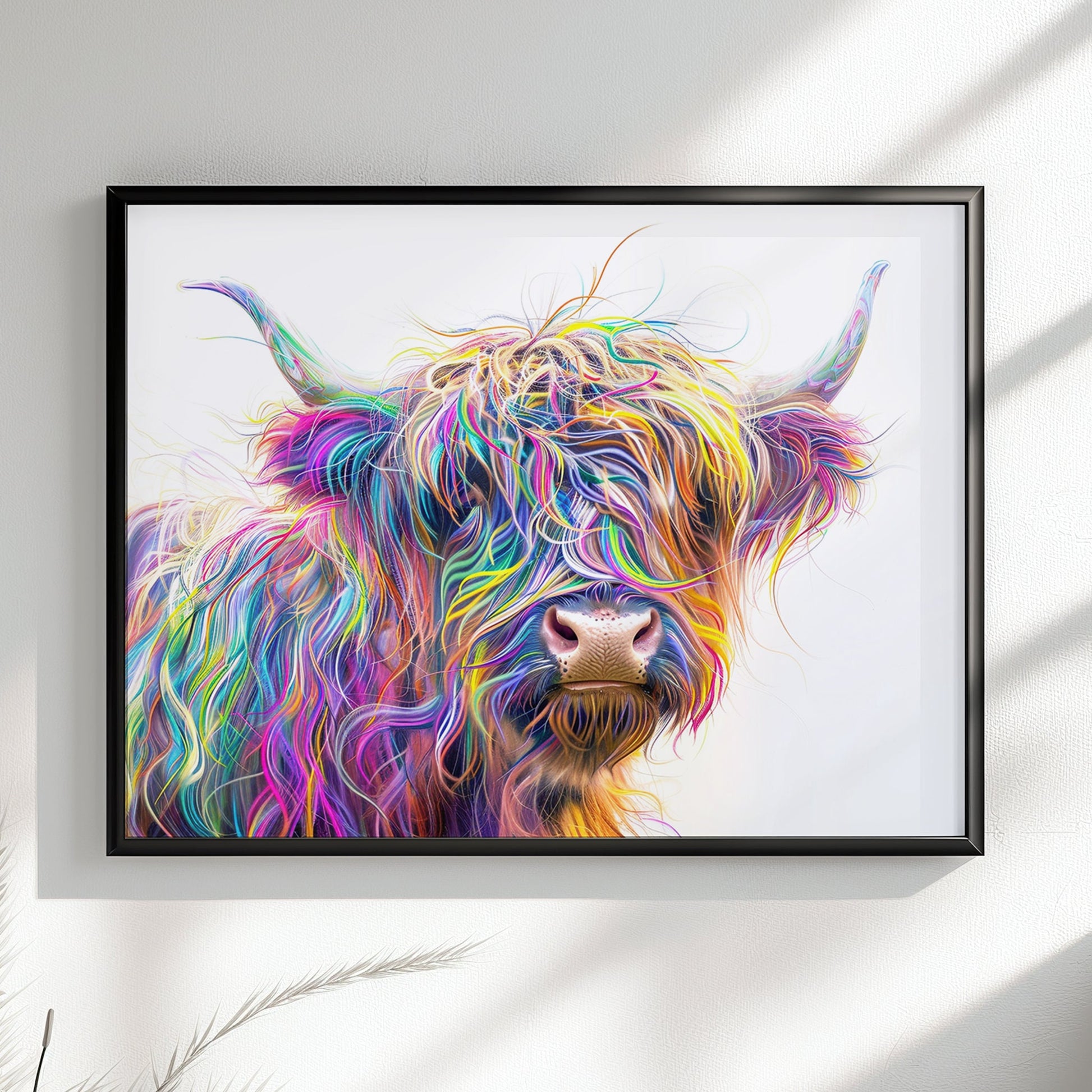
Moo-ving Art: Exploring the Whimsical World of Cow Painting
The Art of Cow Painting: A Unique and Whimsical Form of Art
When it comes to unconventional forms of art, cow painting stands out as a whimsical and creative expression that has captured the imagination of artists and art enthusiasts alike.
Using cows as their canvas, artists transform these gentle creatures into vibrant works of art, showcasing their creativity and skill in a truly unique way. From realistic portraits to abstract designs, cow painting offers endless possibilities for artistic exploration.
One of the most famous examples of cow painting is the CowParade, a public art project that has taken place in cities around the world. Artists decorate life-size fibreglass cows with colourful and imaginative designs, turning these sculptures into captivating pieces of urban art.
But cow painting is not limited to large-scale projects – many artists also create stunning paintings on traditional canvases, capturing the beauty and charm of cows in their own distinctive style. Whether it’s a pastoral landscape featuring grazing cows or a whimsical portrait of a cow with a quirky twist, these artworks never fail to delight viewers.
Through cow painting, artists celebrate the beauty of these gentle animals while also pushing the boundaries of traditional artistic expression. The juxtaposition of the rural charm of cows with the vibrant creativity of art results in truly captivating pieces that leave a lasting impression on all who see them.
So next time you come across a cow painting, take a moment to appreciate the skill and imagination that went into creating it. Cow painting may be unconventional, but it is undeniably charming and full of artistic flair.
Mastering Cow Art: 9 Essential Tips for Painting Realistic and Lifelike Cows
- Study the anatomy of cows to understand their proportions and structure.
- Use a variety of brush strokes to create texture in the cow’s fur.
- Pay attention to light and shadow to give your cow painting depth and dimension.
- Choose a colour palette that reflects the natural tones of cows, such as browns, whites, and blacks.
- Consider the background of your painting to complement the cow and enhance the overall composition.
- Experiment with different painting techniques, such as layering or glazing, to achieve desired effects.
- Take breaks during your painting process to step back and assess your work from a distance.
- Add details like eyes, nostrils, and ears to bring life to your cow painting.
- Practice regularly to improve your skills in capturing the essence of cows in art.
Study the anatomy of cows to understand their proportions and structure.
To excel in cow painting, it is crucial to study the anatomy of cows meticulously. By delving into the intricacies of their proportions and structure, artists gain a deeper understanding of how to accurately capture the essence and form of these gentle creatures on canvas. Paying attention to details such as skeletal framework, muscle definition, and body contours enables artists to create realistic and lifelike portrayals that truly showcase their mastery of cow painting.
Use a variety of brush strokes to create texture in the cow’s fur.
To enhance the realism and depth of a cow painting, artists can utilise a diverse range of brush strokes to create texture in the cow’s fur. By incorporating different brush techniques such as stippling, cross-hatching, and blending, artists can mimic the varying lengths and patterns of a cow’s coat, bringing it to life on the canvas. This attention to detail not only adds visual interest but also evokes a tactile quality, inviting viewers to appreciate the intricate textures of the cow’s fur in a truly immersive way.
Pay attention to light and shadow to give your cow painting depth and dimension.
When creating a cow painting, it is essential to pay close attention to light and shadow to enhance the depth and dimension of your artwork. By carefully observing how light interacts with the form of the cow, you can create a sense of realism and three-dimensionality in your painting. Shadows can add contrast and drama to your composition, bringing out the contours and textures of the cow’s features. Mastering the interplay of light and shadow will not only elevate the visual impact of your cow painting but also showcase your skill as an artist in capturing the nuances of form and volume.
Choose a colour palette that reflects the natural tones of cows, such as browns, whites, and blacks.
When embarking on a cow painting project, it is essential to select a colour palette that mirrors the natural hues of cows, including shades of browns, whites, and blacks. By incorporating these earthy tones into your artwork, you can capture the essence and beauty of these gentle creatures authentically. Embracing a palette inspired by the natural colours of cows not only adds realism to your painting but also pays homage to the graceful and serene presence they exude.
Consider the background of your painting to complement the cow and enhance the overall composition.
When engaging in cow painting, it is essential to carefully consider the background of your artwork to complement the cow subject and elevate the overall composition. The choice of background can significantly impact the mood, visual appeal, and storytelling of the painting. By selecting a background that harmonizes with the cow’s colours, textures, and characteristics, artists can create a cohesive and captivating piece of art that draws the viewer’s attention to the central subject while enhancing its presence. Whether it’s a serene pasture setting or a bold abstract backdrop, thoughtfully incorporating the background can elevate the impact of cow paintings and create a more immersive artistic experience for both creators and viewers alike.
Experiment with different painting techniques, such as layering or glazing, to achieve desired effects.
When exploring the art of cow painting, artists are encouraged to experiment with various painting techniques to achieve their desired effects. Techniques like layering and glazing can add depth and dimension to the artwork, enhancing the visual impact of the cow portrait or scene. By layering different colours and textures, artists can create rich and dynamic compositions that bring their cow paintings to life. Glazing, on the other hand, can be used to achieve a translucent effect or add a subtle sheen to certain areas of the painting. Embracing these techniques allows artists to push the boundaries of traditional cow painting and create truly captivating works of art.
Take breaks during your painting process to step back and assess your work from a distance.
Taking breaks during your cow painting process to step back and assess your work from a distance is a valuable tip that can greatly enhance the quality of your artwork. By giving yourself some space and perspective, you can evaluate the composition, colours, and overall impact of your painting more effectively. This practice allows you to identify areas that may need adjustment or improvement, ensuring that your cow painting turns out as captivating and visually appealing as possible.
Add details like eyes, nostrils, and ears to bring life to your cow painting.
To truly bring life to your cow painting, it is essential to pay attention to the finer details such as the eyes, nostrils, and ears. These features are not just anatomical elements but key aspects that convey emotion and character in your artwork. By adding realistic and expressive details like the gentle gaze of the eyes, the subtle flare of the nostrils, and the shape of the ears, you can infuse your cow painting with a sense of vitality and personality that captivates viewers and elevates your artistic creation to a whole new level.
Practice regularly to improve your skills in capturing the essence of cows in art.
To enhance your ability to capture the essence of cows in your artwork, it is essential to practice regularly. By dedicating time to honing your skills and observing the unique characteristics of cows, you can develop a deeper understanding of their form, movement, and personality. Through consistent practice, you will improve your artistic techniques and gain the confidence to create captivating and expressive cow paintings that truly reflect the beauty and charm of these animals.