

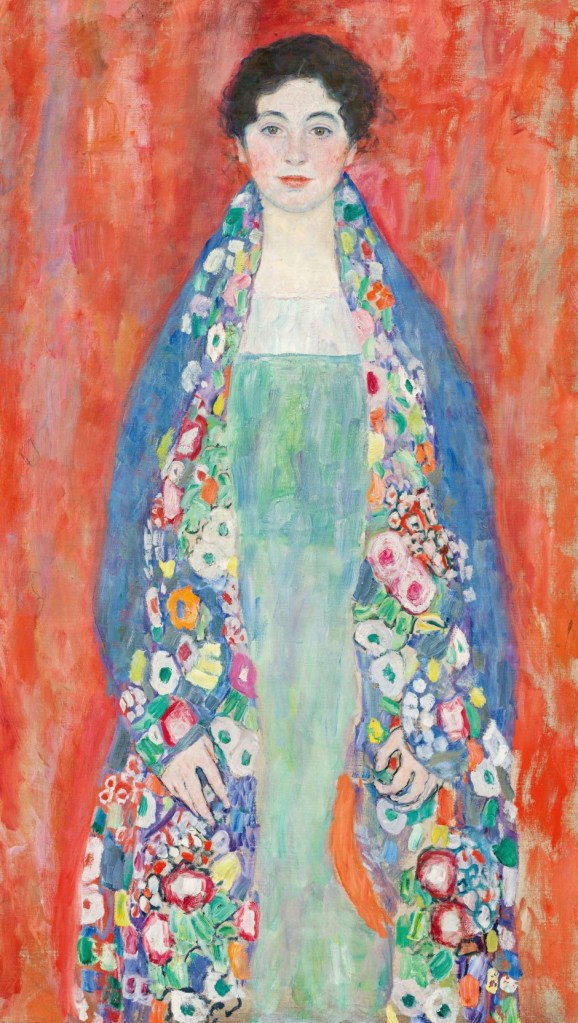
The Enchanting World of Gustav Klimt’s Timeless Paintings
The Timeless Beauty of Gustav Klimt Paintings
Gustav Klimt, an Austrian symbolist painter, is renowned for his mesmerising and opulent artworks that continue to captivate art enthusiasts worldwide. Born in 1862 in Baumgarten, near Vienna, Klimt’s unique style and artistic vision set him apart as a prominent figure in the Art Nouveau movement.
Klimt’s paintings are characterised by their intricate patterns, rich colours, and symbolic motifs that evoke themes of love, sensuality, and the human experience. His most famous works include “The Kiss,” “The Tree of Life,” and “Portrait of Adele Bloch-Bauer I,” which showcase his mastery of blending realism with ornamental abstraction.
One of the defining features of Klimt’s art is his use of gold leaf, which adds a luminous quality to his compositions and enhances the ethereal beauty of his subjects. This shimmering element symbolises the divine and spiritual aspects present in his work, elevating them to a transcendent realm.
Throughout his career, Klimt challenged traditional artistic conventions and explored themes of sexuality, desire, and the subconscious mind. His bold compositions and innovative techniques paved the way for future generations of artists to push boundaries and experiment with new forms of expression.
Today, Gustav Klimt’s paintings continue to inspire audiences with their timeless beauty and profound symbolism. His legacy as a visionary artist lives on through the enduring impact of his masterpieces, which remind us of the power of art to transcend time and connect us to our deepest emotions.
9 Insights into the Enchanting World of Gustav Klimt’s Paintings
- Gustav Klimt was an Austrian symbolist painter known for his decorative style.
- His paintings often feature intricate patterns, gold leaf, and symbolism.
- Klimt’s most famous painting is ‘The Kiss’, which depicts a couple embracing in a field of flowers and gold leaf.
- He was a prominent member of the Vienna Secession movement, which sought to break away from traditional art styles.
- Klimt’s portraits are highly detailed and often incorporate elements of nature and mythology.
- His use of symbolism in his paintings adds layers of meaning and depth to his work.
- Klimt’s art was controversial during his time for its eroticism and avant-garde style.
- He was influenced by Byzantine art, Japanese woodcuts, and Art Nouveau in his unique artistic vision.
- Today, Klimt’s paintings are highly sought after and admired for their beauty and innovation.
Gustav Klimt was an Austrian symbolist painter known for his decorative style.
Gustav Klimt, the Austrian symbolist painter, is celebrated for his distinctive decorative style that sets him apart as a prominent figure in the world of art. His artworks are characterised by intricate patterns, rich colours, and symbolic motifs that reflect his unique artistic vision. Klimt’s ability to blend realism with ornamental abstraction has made his paintings iconic and timeless, captivating audiences with their mesmerising beauty and profound symbolism.
His paintings often feature intricate patterns, gold leaf, and symbolism.
Gustav Klimt’s artistic style is characterised by the presence of intricate patterns, the lavish use of gold leaf, and profound symbolism in his paintings. These elements come together to create a visual language that is both mesmerising and rich in meaning. The intricate patterns woven throughout his works add a layer of complexity and depth, inviting viewers to explore every detail with fascination. The application of gold leaf in Klimt’s paintings not only imparts a sense of opulence but also symbolises the spiritual and divine aspects present in his art. Through these intricate patterns, shimmering gold accents, and symbolic motifs, Klimt’s paintings transcend mere representation to become profound reflections on love, life, and the human experience.
Klimt’s most famous painting is ‘The Kiss’, which depicts a couple embracing in a field of flowers and gold leaf.
Gustav Klimt’s most renowned painting, ‘The Kiss’, is a masterpiece that captures the essence of love and intimacy. This iconic artwork portrays a couple locked in a tender embrace amidst a sea of vibrant flowers and shimmering gold leaf. The intricate details and rich symbolism in ‘The Kiss’ reflect Klimt’s fascination with human relationships and the beauty of emotional connection, making it a timeless representation of romance and passion in art history.
He was a prominent member of the Vienna Secession movement, which sought to break away from traditional art styles.
Gustav Klimt’s significance extends beyond his artistic prowess; he was a prominent member of the Vienna Secession movement, a group of avant-garde artists who aimed to break away from traditional art styles and challenge the status quo. Through this association, Klimt not only embraced innovation and experimentation in his own work but also contributed to a broader cultural shift towards modernism in the art world. His involvement with the Vienna Secession underscores his commitment to pushing boundaries and redefining artistic norms, leaving a lasting impact on the evolution of art history.
Klimt’s portraits are highly detailed and often incorporate elements of nature and mythology.
Gustav Klimt’s portraits are renowned for their exceptional attention to detail, showcasing a meticulous approach to capturing the essence of his subjects. What sets Klimt’s portraits apart is his seamless integration of elements from nature and mythology, adding layers of symbolism and depth to his compositions. By intertwining these elements with the intricate depiction of his subjects, Klimt creates a harmonious blend of the human form with the natural world, inviting viewers into a realm where beauty and symbolism converge in perfect harmony.
His use of symbolism in his paintings adds layers of meaning and depth to his work.
Gustav Klimt’s masterful use of symbolism in his paintings adds layers of meaning and depth to his work, inviting viewers to delve beyond the surface and explore the intricate narratives hidden within each composition. By incorporating symbolic motifs such as geometric shapes, floral patterns, and allegorical figures, Klimt infuses his art with a rich tapestry of themes that speak to the complexities of human existence, emotions, and relationships. This deliberate use of symbolism not only enhances the visual allure of his paintings but also prompts contemplation and interpretation, making each artwork a profound and thought-provoking experience for those who engage with it.
Klimt’s art was controversial during his time for its eroticism and avant-garde style.
During his time, Gustav Klimt’s art stirred controversy due to its bold eroticism and avant-garde style. His daring exploration of sensuality and provocative themes challenged the societal norms of the era, pushing boundaries and sparking debate among critics and admirers alike. Klimt’s willingness to delve into the realms of desire and the human experience set him apart as a revolutionary artist whose work continues to provoke thought and admiration to this day.
He was influenced by Byzantine art, Japanese woodcuts, and Art Nouveau in his unique artistic vision.
Gustav Klimt’s distinctive artistic vision was shaped by a diverse range of influences, including Byzantine art, Japanese woodcuts, and the Art Nouveau movement. Drawing inspiration from the intricate patterns and rich symbolism of Byzantine art, the delicate lines and compositions of Japanese woodcuts, and the ornamental stylings of Art Nouveau, Klimt created a fusion of styles that set his work apart as truly original and groundbreaking in the world of art.
Today, Klimt’s paintings are highly sought after and admired for their beauty and innovation.
Today, Gustav Klimt’s paintings are highly sought after and admired for their beauty and innovation. His unique artistic vision, characterised by intricate patterns, rich colours, and symbolic motifs, continues to captivate art enthusiasts around the world. The mesmerising blend of realism and ornamental abstraction in works such as “The Kiss” and “Portrait of Adele Bloch-Bauer I” showcases Klimt’s mastery in conveying themes of love, sensuality, and the human experience. The use of gold leaf in his compositions adds a luminous quality that symbolises the divine elements present in his art, further enhancing their ethereal beauty. Klimt’s legacy as a pioneering artist endures through the enduring appeal of his masterpieces, which serve as timeless reflections of his innovative spirit and profound creativity.