

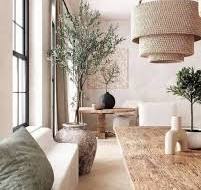
Organic Modern Decor: A Guide to Natural, Contemporary Interiors
Organic Modern Decor: A Softer Way to Live with Contemporary Design
Organic modern decor brings together the clean lines of contemporary interiors and the warmth of natural materials. The result is a style that feels considered but not austere: modern in shape, tactile in detail and connected to the natural world.
Rather than following a strict set of rules, organic modern design is about balance. Simple forms sit alongside textured surfaces; pared-back rooms are softened with wood, stone, linen and greenery. The aim is to create spaces that feel calm, welcoming and lived in.
What defines organic modern style?
At its heart, this style pairs modern simplicity with organic shapes and materials. Furniture may have a clean, uncluttered profile, but its curves, grain or finish bring a sense of softness. A streamlined sofa, for example, might be accompanied by a rounded timber coffee table or a hand-thrown ceramic lamp.
Natural materials are central, though they need not be polished or perfect. Visible wood grain, uneven pottery, woven fibres and gently varied stone add character. These details give a room depth without relying on excessive decoration.
A calm, nature-inspired palette
Organic modern rooms often begin with a restrained palette of warm neutrals: cream, chalk, sand, taupe and soft brown. These shades create a quiet backdrop for natural textures and allow the forms of furniture and objects to stand out.
Colour can still play a part. Muted greens, clay tones, rust, ochre and deep brown work well as accents, particularly when drawn from the landscape. Rather than introducing many competing shades, choose a few that sit comfortably together.
Choose materials with texture
Texture is what stops a neutral interior from feeling flat. Combine smooth and rough, matte and reflective, soft and solid. A linen sofa might sit beside a timber side table, while a wool rug, woven basket or stoneware vase adds another layer.
- Wood: Choose pieces that show the natural grain, whether pale oak, walnut or reclaimed timber.
- Stone: Marble, limestone and travertine bring variation and an earthy quality to surfaces and accessories.
- Natural fabrics: Linen, wool, cotton and jute add softness and tactile interest.
- Ceramics: Handmade or irregular forms give shelves and tables a personal, less uniform feel.
There is no need to use every material at once. A thoughtful mix of a few well-chosen textures is often more effective than filling a room with decorative details.
Let shape soften the room
Modern interiors can sometimes feel rigid when every line is straight and every object is sharply defined. Organic modern decor makes room for curves and irregular forms. Consider an arched mirror, a rounded armchair, a sculptural pendant or a table with softened edges.
These shapes create contrast without making the space feel busy. A single sculptural piece can be enough to give a simple room a focal point.
Bring the outdoors in
Plants are a natural fit, but greenery is only one way to connect an interior with the outdoors. Natural light, views of the garden and materials with visible variation can all help. Where possible, keep windows relatively uncluttered and arrange furniture to make the most of daylight.
For plants, choose varieties suited to the light and conditions in your home. A few healthy plants, displayed with room to grow, will usually feel more harmonious than a crowded collection.
Keep the room edited, not empty
Organic modern style is uncluttered, but it should not feel bare. The difference lies in choosing objects with purpose: a favourite artwork, a well-made lamp, a bowl collected on a trip or a stack of books you return to. Leave some surfaces clear so the pieces you do display can be appreciated.
When arranging accessories, vary their height and shape, and group items in small, considered collections. A mix of objects can feel cohesive when they share a material, colour or mood.
Make it practical and personal
A beautiful room also needs to work for everyday life. Choose durable fabrics if the space is heavily used, and make sure there is enough storage to keep practical items close at hand but out of sight. Comfort matters as much as appearance: seating should invite people to sit, and lighting should suit the different ways a room is used.
It is also worth thinking carefully before buying. Organic modern decor is not about replacing everything with expensive natural materials. Reusing furniture, choosing second-hand pieces and investing in items that can last are all ways to create a more thoughtful interior. A vintage wooden chair or a repaired table may bring more character than a room full of brand-new accessories.
Creating an organic modern home
Start with the feeling you want the room to have, then build slowly. Keep the main furniture simple, introduce natural textures, add a little variation in shape and finish, and edit anything that does not contribute to the space. The most successful organic modern interiors are not formulaic: they combine restraint with warmth and leave room for the people who live in them.
6 Tips for Embracing Organic Modern Décor in Your Home
- Choose furniture with soft, sculptural shapes.
- Mix natural wood with stone or clay.
- Layer linen, wool and other tactile fabrics.
- Keep colours warm, muted and earthy.
- Add greenery for a fresh, natural feel.
- Leave space around pieces to keep rooms calm.
Choose furniture with soft, sculptural shapes.
Choose furniture with soft, sculptural shapes to bring a sense of ease and movement to an organic modern interior. Curved sofas, rounded armchairs and tables with gently irregular forms soften the room’s clean lines while creating an understated focal point. Balance these pieces with simple finishes and natural materials, such as timber, linen or stone, so their shapes stand out without making the space feel crowded.
Mix natural wood with stone or clay.
Pairing natural wood with stone or clay brings warmth and texture to an organic modern interior. The grain of an oak table, for example, can soften the cool, solid feel of a stone surface, while handmade clay ceramics add an earthy, tactile accent. Choose finishes that complement one another rather than match exactly, and let each material’s natural variations remain visible for a relaxed, balanced look.
Layer linen, wool and other tactile fabrics.
Layering linen, wool and other tactile fabrics adds warmth and depth to an organic modern room. Combine the relaxed texture of linen with the softness of a wool throw, or pair cotton cushions with a woven rug. Choose natural, complementary shades to keep the look calm, and vary the textures to create interest without adding clutter.
Keep colours warm, muted and earthy.
Choose warm, muted, earthy colours to give an organic modern interior a calm, welcoming feel. Shades such as soft beige, clay, olive, warm grey and gentle browns work beautifully together, echoing colours found in nature without overwhelming the space. Use them across walls, textiles and accessories, and add depth by mixing different tones and textures rather than introducing too many bold contrasts.
Add greenery for a fresh, natural feel.
Add greenery to bring a fresh, natural feel to an organic modern interior. A leafy floor plant can soften an empty corner, while smaller plants add life to shelves and tables. Choose varieties that suit the light in your home, and display them in simple ceramic, stone or woven pots to complement the room’s natural materials. A few well-placed plants can make the space feel more inviting without adding clutter.
Leave space around pieces to keep rooms calm.
Leave space around furniture and decorative pieces to let each one stand out and give the room room to breathe. In organic modern interiors, a little negative space helps balance natural textures and sculptural shapes, creating a calm, uncluttered feel without making the space seem empty.