

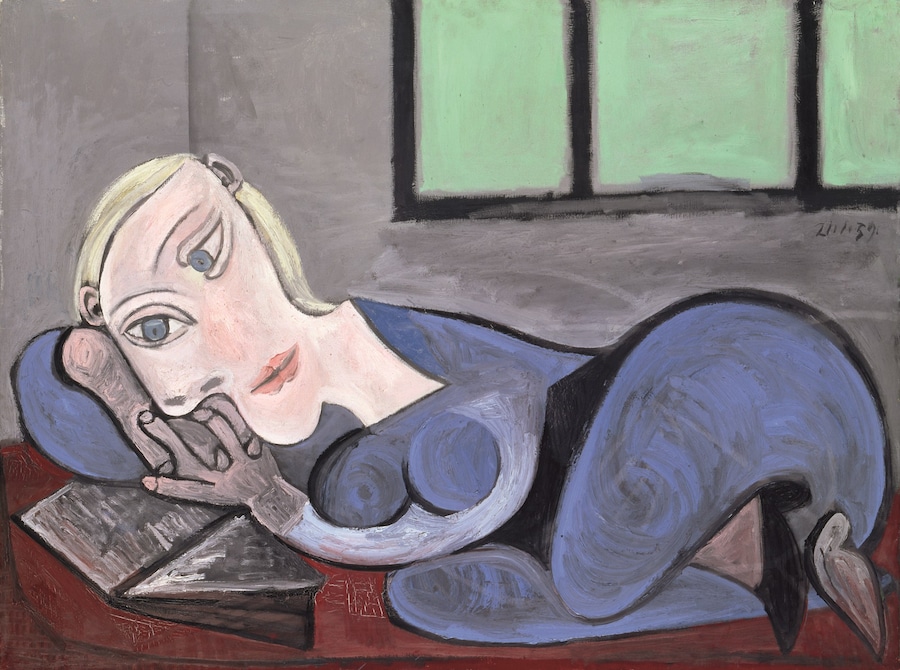
The Timeless Artistry of Pablo Picasso: Exploring His Iconic Artwork
The Timeless Artistry of Pablo Picasso
Pablo Picasso, one of the most influential artists of the 20th century, left an indelible mark on the world of art with his revolutionary creations. Born in Spain in 1881, Picasso’s innovative style and unparalleled creativity continue to captivate audiences around the globe.
One of Picasso’s most famous works is “Les Demoiselles d’Avignon,” a groundbreaking piece that marked the beginning of Cubism. This painting, created in 1907, shattered traditional artistic conventions with its geometric shapes and distorted figures, heralding a new era in modern art.
Throughout his prolific career, Picasso explored various styles and techniques, from Blue Period melancholy to Rose Period romance, and later to the bold experimentation of Surrealism. His ability to reinvent himself constantly kept the art world on its toes and solidified his reputation as a true artistic genius.
Another iconic work by Picasso is “Guernica,” a powerful anti-war painting that serves as a poignant reminder of the horrors of conflict. Created in response to the bombing of the Spanish town of Guernica during the Spanish Civil War, this monumental artwork conveys raw emotion and captures the devastation wrought by violence.
Picasso’s influence extends far beyond his own creations; his innovative approach to art continues to inspire generations of artists worldwide. His legacy lives on through his timeless masterpieces and enduring impact on the evolution of modern art.
Exploring Pablo Picasso: The Evolution, Influence, and Impact of His Iconic Artworks
- What is the significance of Pablo Picasso’s ‘Les Demoiselles d’Avignon’ painting?
- How did Pablo Picasso’s style evolve throughout his career?
- What inspired Pablo Picasso to create ‘Guernica’ and what does it represent?
- What are some key characteristics of Picasso’s Blue Period artworks?
- Can you explain the concept of Cubism in relation to Pablo Picasso’s work?
- How has Pablo Picasso influenced modern art movements?
What is the significance of Pablo Picasso’s ‘Les Demoiselles d’Avignon’ painting?
Pablo Picasso’s ‘Les Demoiselles d’Avignon’ painting holds immense significance in the art world for its revolutionary departure from traditional artistic norms. Created in 1907, this masterpiece marked the genesis of Cubism, a groundbreaking art movement that shattered conventional representations of reality. The painting’s fragmented forms, geometric shapes, and distorted figures challenged viewers to see the world in a new way, paving the path for modern art’s evolution. ‘Les Demoiselles d’Avignon’ not only showcased Picasso’s bold experimentation and innovative vision but also sparked a paradigm shift in how artists approached representation and perception in the 20th century.
How did Pablo Picasso’s style evolve throughout his career?
Pablo Picasso’s artistic style underwent a remarkable evolution throughout his illustrious career, reflecting his boundless creativity and relentless pursuit of innovation. Beginning with his early realist and post-impressionist phases, Picasso gradually transitioned into the revolutionary Cubist period, where he deconstructed forms and reimagined space in a fragmented, geometric manner. This period marked a significant departure from traditional artistic norms and established Picasso as a pioneer of modern art. Subsequent phases, such as his Blue Period and Rose Period, showcased his versatility and emotional depth, while his later exploration of Surrealism demonstrated his willingness to push boundaries and challenge conventions. Picasso’s ability to constantly reinvent himself and embrace new artistic movements ensured that his legacy would endure as a beacon of inspiration for generations to come.
What inspired Pablo Picasso to create ‘Guernica’ and what does it represent?
Pablo Picasso was deeply moved and outraged by the bombing of the Spanish town of Guernica during the Spanish Civil War in 1937. This tragic event served as the primary inspiration for his monumental artwork ‘Guernica’. The painting represents the horrors of war, depicting the suffering and chaos experienced by innocent civilians caught in the crossfire of conflict. Through powerful imagery and symbolism, Picasso conveys a profound message of anti-war sentiment and human suffering, making ‘Guernica’ a timeless and poignant statement against violence and injustice.
What are some key characteristics of Picasso’s Blue Period artworks?
During Picasso’s Blue Period, which lasted from 1901 to 1904, the artist predominantly used shades of blue and green to create somber and introspective artworks. The key characteristics of Picasso’s Blue Period pieces include themes of melancholy, poverty, and isolation, often depicting figures such as beggars, prostitutes, and musicians. The use of cool tones and elongated forms evokes a sense of emotional depth and vulnerability in these works. The Blue Period marked a significant phase in Picasso’s artistic development, showcasing his ability to convey profound human emotions through his distinctive style and colour palette.
Can you explain the concept of Cubism in relation to Pablo Picasso’s work?
Cubism, a pioneering art movement that emerged in the early 20th century, revolutionised the way we perceive and represent the world. When discussing Pablo Picasso’s work, Cubism plays a central role in understanding his artistic vision. Picasso, along with Georges Braque, co-founded this avant-garde movement characterised by fragmented forms, multiple viewpoints, and geometric shapes. In Picasso’s Cubist artworks, such as “Les Demoiselles d’Avignon,” he deconstructed traditional perspectives and reassembled them in a dynamic and abstract manner. By breaking down objects into basic geometric shapes and exploring the concept of simultaneity, Picasso challenged conventional notions of representation and paved the way for a new era of artistic expression. His innovative approach to Cubism continues to inspire artists and art lovers alike, showcasing the enduring impact of his groundbreaking work on the art world.
How has Pablo Picasso influenced modern art movements?
Pablo Picasso’s profound influence on modern art movements cannot be overstated. As a pioneering figure in the art world, Picasso’s innovative approach to form, colour, and perspective revolutionised artistic expression. His role in the development of Cubism, a movement that shattered traditional notions of representation through fragmented forms and multiple viewpoints, laid the foundation for abstract art and influenced subsequent movements such as Surrealism and Abstract Expressionism. Picasso’s willingness to push boundaries and challenge artistic conventions continues to inspire contemporary artists to explore new possibilities and redefine the boundaries of creativity in the ever-evolving landscape of modern art.