

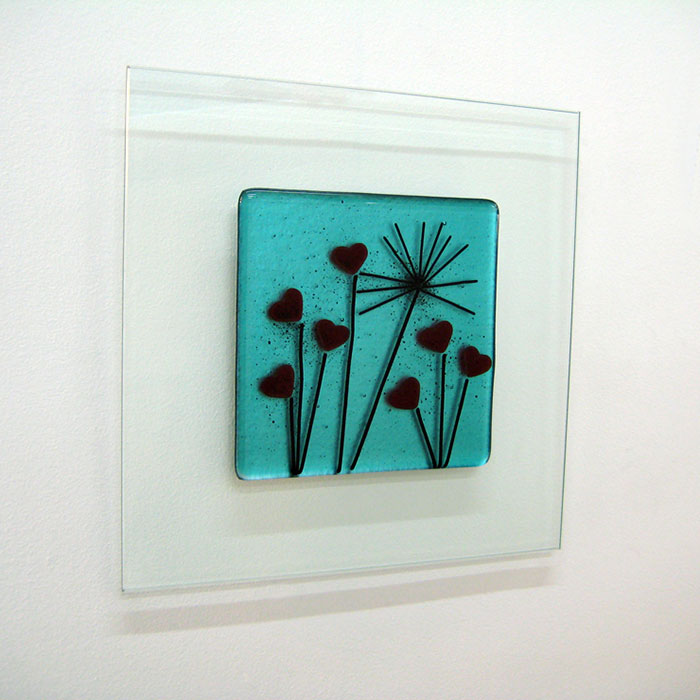
Glass Wall Art: A Bright Idea for Your Home
Glass Wall Art: A Bright Idea for Your Home
Glass wall art brings light, colour and texture into a room in a way few other materials can. From delicate stained-glass panels to bold contemporary prints, it can act as a striking focal point or add a subtle finishing touch. Whether you are decorating a hallway, living room or office, the right piece can change the mood of a space without taking up valuable floor area.
What Is Glass Wall Art?
Glass wall art is a broad term for decorative pieces made from, or designed to be displayed on, glass. It includes stained-glass panels, fused-glass compositions, glass mosaics, mirrored artworks and images printed or mounted beneath glass. Each approach offers a different look: handmade glass may have visible texture and variation, while printed pieces can reproduce photographs and detailed designs with precision.
Why Choose Glass?
One of glass’s most appealing qualities is the way it interacts with light. A clear or textured panel can catch daylight and create shifting reflections, while coloured glass can cast gentle tones across nearby surfaces. In a darker room, a reflective piece may help make the space feel brighter, although it will not replace good lighting or a well-placed mirror.
Glass also has a clean, versatile appearance. It can feel at home in a modern interior, but traditional techniques such as stained glass can bring warmth and character to period properties. With options ranging from minimal to highly decorative, glass wall art can suit many different tastes.
Popular Types of Glass Wall Art
- Stained glass: Coloured sections are joined to create a pattern or image. It is especially effective near a window, where natural light can shine through.
- Fused glass: Pieces of glass are heated together to form a single artwork. The finished surface may have layers, texture and vivid colour.
- Glass mosaics: Small pieces are arranged into a larger pattern, making them a good choice for intricate designs or accent displays.
- Printed glass: A design or photograph is reproduced on or behind a glass surface. This offers a smooth, contemporary finish and a wide choice of imagery.
- Mirrored art: Decorative shapes or engraved details combine the visual interest of an artwork with the reflective qualities of a mirror.
Choosing the Right Piece
Start by considering the room’s light. A translucent panel may work beautifully beside a window, while a glossy, reflective piece can catch light from lamps or other sources. If the room already has strong patterns or bright colours, a simpler design may feel more balanced. In a pared-back interior, a vivid artwork can provide a welcome point of contrast.
Scale matters, too. A small piece can look lost on a large, empty wall, while an oversized work may overwhelm a compact space. Before buying, measure the wall and, if possible, mark out the artwork’s dimensions with paper or masking tape. This gives a clearer sense of how it will sit alongside furniture, doors and other wall displays.
Think about the surroundings as well as the artwork itself. Glass can complement wood, metal and stone, but the frame and mounting hardware will influence the overall effect. A discreet fixing can create a contemporary feel; a decorative frame may make the piece appear more traditional.
Where to Display Glass Wall Art
Living rooms and dining rooms are natural places for a statement piece, particularly above a sideboard or in an area with good ambient light. Hallways can benefit from a colourful panel that welcomes visitors, while a home office may suit a more restrained design.
For stained glass, consider how sunlight moves through the room during the day. A panel placed where it receives suitable natural light will show its colours to best effect. Avoid putting valuable or delicate works where they may be knocked, and take care around busy walkways, children’s play areas and doors that open close to the display.
Hanging and Caring for Glass Art
Glass can be heavy and fragile, so secure installation is essential. Use fixings appropriate to the wall type and the weight of the artwork, and follow the maker’s guidance. For larger or particularly valuable pieces, professional installation is a sensible option. Check that the artwork is firmly supported and positioned away from places where it could be struck.
For routine cleaning, use a soft, lint-free cloth and a suitable glass cleaner, applying the cleaner to the cloth rather than spraying it directly onto the artwork. This helps prevent liquid from collecting around edges, frames or fittings. Avoid abrasive pads and harsh chemicals, which may damage finishes or decorative details. If the piece is antique, handmade or unusually delicate, ask the maker or a conservator for care advice.
A Lasting Decorative Accent
Glass wall art can be both a decorative feature and a way to make more of the light in a room. The best choice depends on the space, the style of the interior and the effect you want to create. With thoughtful placement and secure installation, a glass artwork can bring colour, character and a distinctive focal point to your home for years to come.
Eight Compelling Advantages of Glass Wall Art for Your Home Décor
- Reflects light beautifully.
- Adds colour and texture.
- Creates a striking focal point.
- Suits many interior styles.
- Available in diverse designs.
- Can make rooms feel brighter.
- Easy to wipe clean.
- Makes thoughtful, lasting décor.
Considerations for Glass Wall Art: Fragility, Weight, and Maintenance
- Can be fragile and may break if knocked.
- Often heavier than other wall décor, requiring secure fixings.
- May need regular cleaning to keep fingerprints and smudges at bay.
Reflects light beautifully.
Glass wall art reflects light beautifully, helping a room feel brighter and more open. As daylight or lamplight moves across its surface, it can create subtle shifts in brightness and reflection, adding depth and visual interest. A carefully placed piece can make the most of natural light while bringing an elegant, luminous touch to your interior.
Adds colour and texture.
Glass wall art adds colour and texture to a room, bringing walls to life with rich hues, subtle patterns and tactile detail. From the jewel-like tones of stained glass to the layered surfaces of fused designs, each piece can introduce depth and visual interest while complementing your existing décor.
Creates a striking focal point.
Glass wall art can create a striking focal point, drawing the eye and giving a room a clear sense of character. Its colour, texture and reflective surface catch the light, helping the piece stand out against the surrounding décor. Whether bold and contemporary or delicate and understated, it can bring an otherwise plain wall to life.
Suits many interior styles.
Glass wall art suits a wide range of interior styles, from sleek, contemporary spaces to traditional and eclectic homes. Choose clean lines and subtle finishes for a minimalist look, or opt for stained glass, intricate patterns and rich colours to add character to a more classic interior. Its variety of textures, shapes and designs makes it easy to find a piece that complements your décor.
Available in diverse designs.
Glass wall art is available in a wide range of designs, making it easy to find a piece that suits your space and personal style. Choose from bold abstract patterns, delicate floral motifs, colourful stained glass, landscapes or sleek contemporary prints. With so many colours, shapes and finishes to explore, a glass artwork can complement your décor or add a striking focal point to the room.
Can make rooms feel brighter.
Glass wall art can make a room feel brighter by reflecting natural and artificial light around the space. A carefully placed piece can catch daylight from a nearby window or bounce the glow of a lamp into darker corners, helping the room feel more open and welcoming. Choose a reflective finish for a stronger effect, or coloured glass to add a softer play of light.
Easy to wipe clean.
Glass wall art is easy to wipe clean, making it a practical choice for busy homes and high-traffic areas. A soft, lint-free cloth is usually enough to remove dust and fingerprints, while a suitable glass cleaner can help restore its shine. For best results, apply the cleaner to the cloth rather than directly to the artwork, and avoid abrasive materials that could scratch the surface or damage its finish.
Makes thoughtful, lasting décor.
Glass wall art makes thoughtful, lasting décor, bringing together skilled craftsmanship, personal meaning and enduring style. Whether chosen to mark a special occasion or simply to reflect your taste, a carefully selected piece can remain part of your home for years, adding character long after passing trends have faded.
Can be fragile and may break if knocked.
One drawback of glass wall art is that it can be fragile and may break if knocked, making its placement especially important. It is best kept away from busy walkways, doors and areas where children or pets might accidentally bump into it. Secure fixings and careful handling can help reduce the risk of damage.
Often heavier than other wall décor, requiring secure fixings.
Glass wall art is often heavier than other types of wall décor, so it needs secure, suitable fixings to stay safely in place. Before hanging a piece, check its weight and your wall type, and choose hardware that can support both. For larger or particularly heavy artworks, professional installation can help prevent damage to the wall and reduce the risk of the piece falling.
May need regular cleaning to keep fingerprints and smudges at bay.
One drawback of glass wall art is that it can show fingerprints, dust and smudges, particularly on glossy or mirrored surfaces. To keep it looking its best, you may need to clean it regularly with a soft, lint-free cloth and a suitable glass cleaner.