

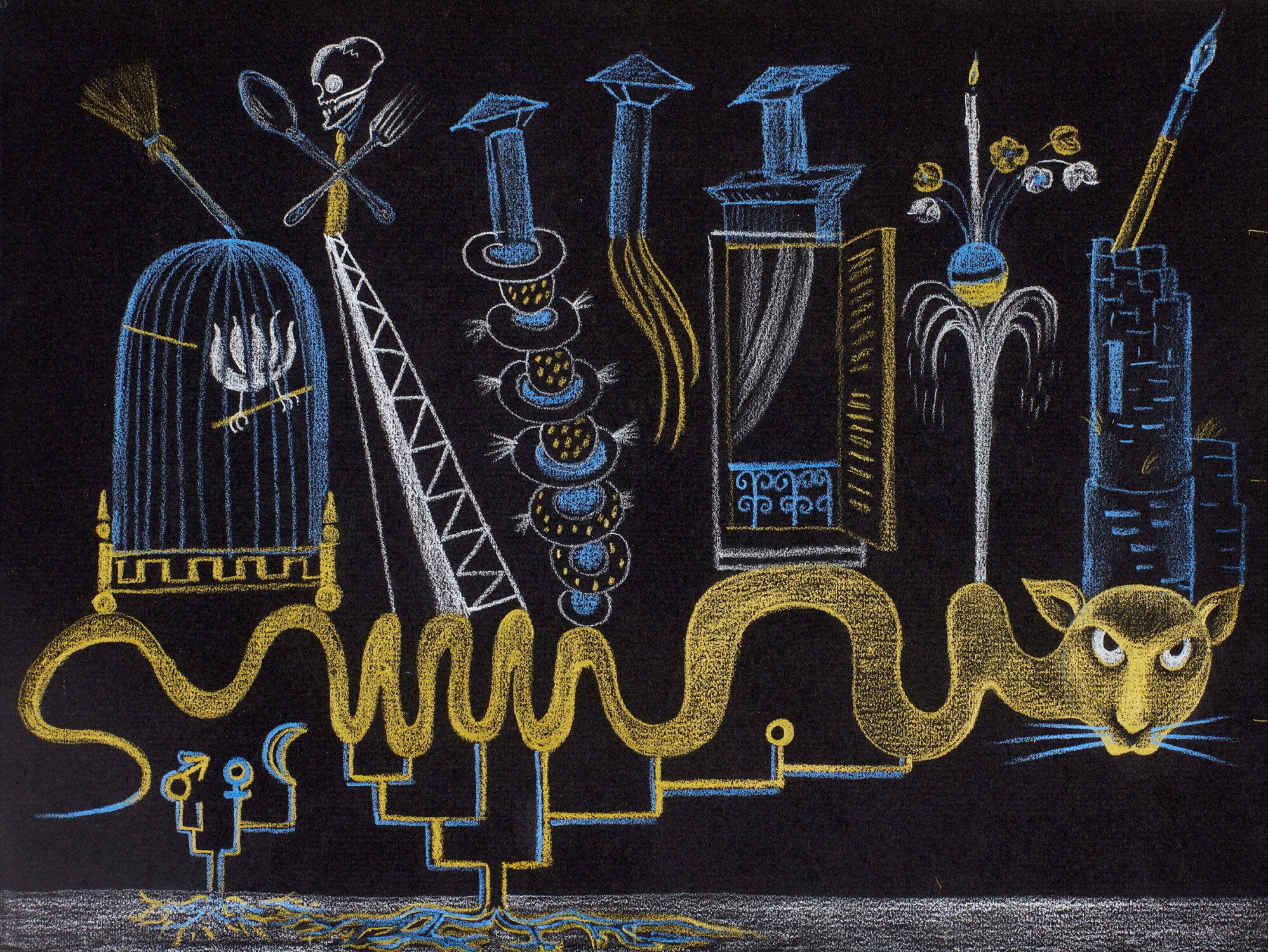
Surrealism Art: Exploring the Imagination Beyond Reality
Surrealism: Art Beyond the Real
Surrealism is an art movement that set out to free the imagination from the limits of ordinary logic. Its paintings, sculptures, photographs and films often combine familiar objects in strange or impossible ways, inviting viewers to question what is real and what might lie beneath the surface of everyday life.
The beginnings of Surrealism
Surrealism emerged in Europe in the early 1920s, in the aftermath of the First World War. Many artists and writers were disillusioned with the political and social order that had preceded the conflict. They looked for new ways to challenge conventional ideas, drawing inspiration from dreams, chance, memory and the unconscious mind.
The movement took shape around the French writer André Breton. In his Manifesto of Surrealism, published in 1924, Breton described Surrealism as a way of bringing together dream and reality. Artists associated with the movement experimented with automatic writing and drawing: making marks or writing freely, without consciously planning each result, in the hope of allowing unexpected ideas to emerge.
Dreams, symbols and surprising combinations
Surrealist art is not defined by one style. Some artists created carefully rendered scenes that feel almost photographic, while others used loose, abstract forms. What unites many of their works is a sense of displacement: ordinary objects appear in unfamiliar settings, figures shift into unexpected shapes, and scale or perspective seems to defy the rules of the world we know.
René Magritte is famous for placing recognisable objects in puzzling contexts. His paintings encourage viewers to consider the difference between an object and its representation. Salvador Dalí, meanwhile, painted dreamlike landscapes populated by distorted forms and precisely depicted details. His work often gives the impossible an unsettling sense of plausibility.
Other important figures include Max Ernst, who experimented with techniques such as frottage and collage; Joan Miró, whose playful forms draw on abstraction and symbolism; and Leonora Carrington, whose richly imaginative works explore transformation, myth and personal identity. Surrealism also extended beyond painting, influencing photography, sculpture, film and literature.
How Surrealist artists made their work
Surrealists used a variety of methods to disrupt familiar ways of seeing. Collage brought together images from unrelated sources, while frottage involved rubbing a pencil over a textured surface to produce unexpected patterns. In the photographic technique known as solarisation, areas of light and dark are dramatically reversed. Artists also used chance procedures, treating accidents not as mistakes but as prompts for invention.
These approaches reflected a wider interest in the unconscious. Influenced in part by the ideas of the psychoanalyst Sigmund Freud, Surrealist artists explored dreams, fears and desires as possible sources of creative material. Their works are not simply illustrations of dreams, however. They use surprising images and associations to unsettle the viewer and open up multiple interpretations.
Surrealism and the world around it
Although Surrealism is often associated with fantasy, the movement was also engaged with politics and social change. Its artists challenged established values and questioned the authority of institutions. Their ambitions were not limited to making unusual pictures: many hoped that a more liberated imagination could help transform everyday life.
Surrealism was an international movement, and its ideas travelled far beyond its early European circles. Artists around the world adapted its techniques and themes in response to their own histories and cultural traditions. The movement’s story is therefore broader and more varied than any single group or national style.
The lasting influence of Surrealism
Surrealism continues to shape contemporary art, design, photography, cinema and popular culture. Its influence can be seen wherever familiar images are altered, unexpected objects are brought together or reality is made to feel slightly unstable. Artists still draw on its techniques to explore identity, memory, politics and the strange logic of dreams.
More than a collection of bizarre images, Surrealism is an invitation to look again. By disrupting the ordinary, it reveals how much of our experience depends on assumptions we rarely notice—and suggests that imagination can offer another way of understanding the world.
Surrealism in Art: Five Frequently Asked Questions
- What is Surrealism in art?
- When and where did Surrealism begin?
- Who are the most famous Surrealist artists?
- What are the main characteristics of Surrealist art?
- What inspired Surrealist artists?
What is Surrealism in art?
Surrealism in art is a movement that explores the imagination, dreams and the unconscious mind. Emerging in the 1920s, it brought together familiar objects and unexpected images to create scenes that feel mysterious, illogical or dreamlike. Surrealist artists used techniques such as collage, automatic drawing and precise, realistic painting to challenge ordinary ways of seeing and invite viewers to find their own meanings.
When and where did Surrealism begin?
Surrealism began in Paris in the early 1920s, taking shape after the First World War. The French writer André Breton helped establish the movement, setting out its ideas in his 1924 Manifesto of Surrealism. Inspired by dreams, the unconscious and a desire to challenge conventional thinking, Surrealism soon spread beyond France and influenced artists and writers around the world.
Who are the most famous Surrealist artists?
Some of the best-known Surrealist artists include Salvador Dalí, famous for his dreamlike imagery; René Magritte, whose paintings unsettle our sense of reality; and Max Ernst, who experimented with collage and chance techniques. Joan Miró, Man Ray, Leonora Carrington and Remedios Varo are also celebrated for their distinctive contributions to the movement across painting, photography and sculpture.
What are the main characteristics of Surrealist art?
Surrealist art is characterised by dreamlike scenes, unexpected juxtapositions and images that defy ordinary logic. Artists often drew on the unconscious, memory and imagination, using symbolism, distortion and strange shifts in scale or perspective to make familiar things seem mysterious. Some works feature precisely rendered objects in impossible settings, while others use spontaneous techniques such as automatic drawing to let ideas emerge without deliberate control. Together, these approaches invite viewers to question reality and discover their own interpretations.
What inspired Surrealist artists?
Surrealist artists drew inspiration from dreams, the unconscious mind, memory and imagination, seeking to move beyond the limits of reason and everyday experience. The writings of Sigmund Freud, particularly his ideas about dreams and hidden desires, influenced many of them, while chance, personal symbolism, political upheaval and the shock of the First World War also shaped the movement. Through unexpected combinations of familiar images, Surrealists aimed to reveal a stranger, more imaginative reality beneath the surface of ordinary life.