

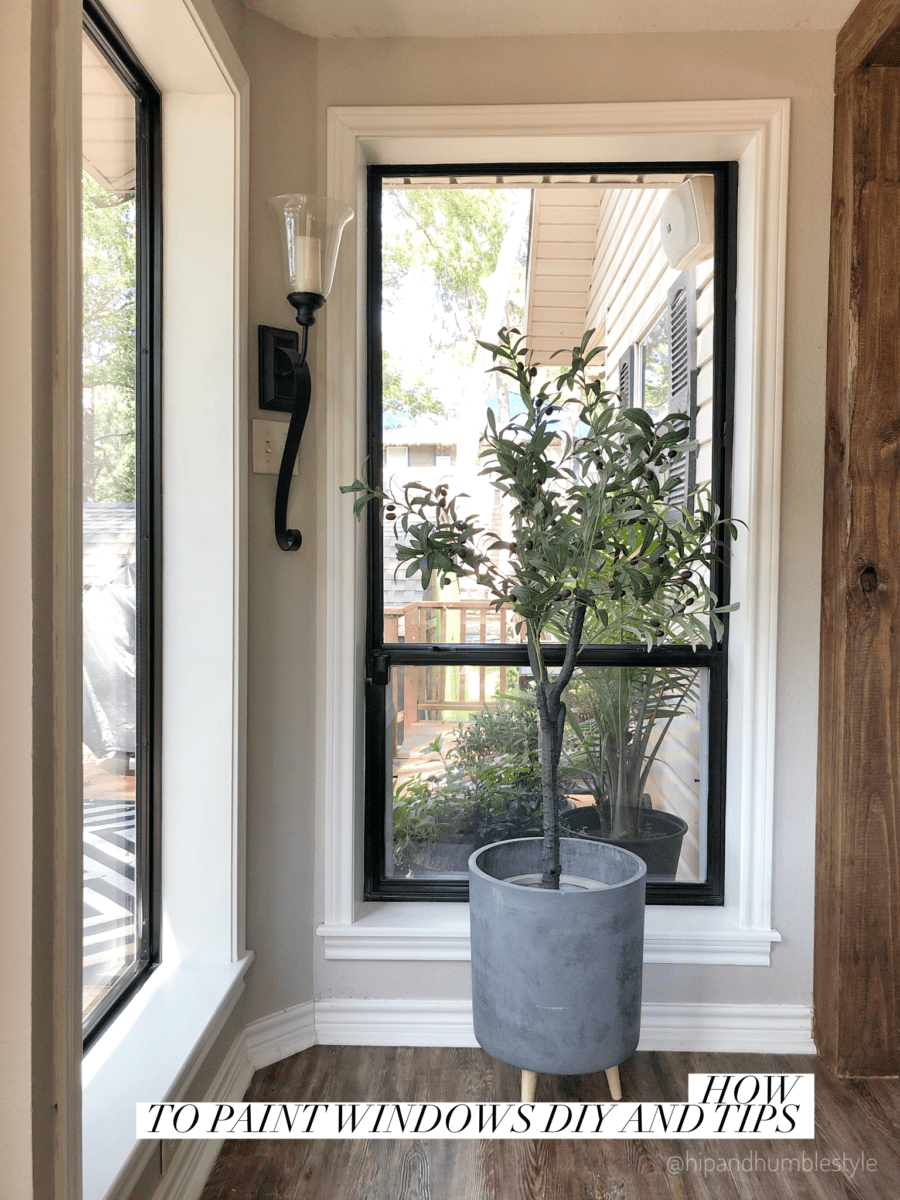
Window Paint: How to Choose, Apply and Remove It
Window Paint: How to Choose, Apply and Remove It
Window paint can transform plain glass into a seasonal display, a colourful decoration or a more private surface. From festive designs and children’s artwork to painted window frames, the right product and preparation make all the difference. Here’s what to know before you start.
What is window paint?
“Window paint” can refer to paint designed to go directly onto glass, or paint intended for the frames around it. These are different jobs, so check the label carefully before buying.
- Paint for glass is formulated to adhere to smooth, non-porous surfaces. Some products are temporary and washable; others are designed to last.
- Paint for window frames is selected according to the frame material, such as wood, metal or uPVC. It may require a suitable primer and should not be applied to the glass or seals.
Window markers and water-based craft paints are often used for temporary designs. For a more durable finish on glass, look for a product specifically labelled for glass and follow its instructions, including any curing or heat-setting requirements.
Choosing the right paint
Start by deciding how long you want the design to last. Temporary window paint is a good option for seasonal decorations, shop displays and activities with children. Permanent or long-lasting glass paint is better for decorative projects that are not intended to wash off easily.
Also consider the finish. Opaque paint creates a bold, solid design, while translucent paint allows light to pass through and can produce a stained-glass effect. If the window needs to remain clear for visibility, keep painted areas small and avoid covering the whole pane.
Always check that the product is suitable for the surface and the conditions it will face. Exterior windows are exposed to rain, sunlight and temperature changes, while interior designs may still need to withstand condensation and regular cleaning.
How to paint a window
- Clean the glass. Remove dust, grease and fingerprints with a glass cleaner, then allow the surface to dry fully. Paint may not adhere evenly to a dirty or damp pane.
- Plan the design. Sketch it on paper first, or place a template behind the glass. Mask off any areas you want to keep clear.
- Protect the surrounding area. Lay down a dust sheet and use masking tape around the edges. Keep paint away from window seals, hinges and drainage channels.
- Apply thin coats. Use a suitable brush, sponge or applicator, following the manufacturer’s guidance. Several light coats usually give a neater result than one thick coat.
- Let it dry properly. Drying times vary between products. Do not close or clean the window until the paint has dried or cured as directed.
For a crisp outline, use a fine brush or a window marker. A sponge can create softer patterns, while a stencil helps repeat shapes consistently. Test your chosen paint on a small, inconspicuous area first, particularly if the glass has a coating or film.
Painting window frames
Painting the frame is a separate project from decorating the glass. The preparation depends on the material. Wooden frames may need sanding and primer; metal frames can require a metal-specific primer; and uPVC needs products expressly designed to bond to plastic. Do not assume that ordinary wall paint will adhere or withstand outdoor conditions.
Before painting, check the frame for damage and make sure it is dry and clean. Mask the glass and hardware, and avoid painting over seals or moving parts. If the frame is old, flaking or potentially coated in hazardous paint, take appropriate precautions and seek professional advice before sanding or disturbing it.
Removing temporary window paint
For washable products, follow the instructions on the packaging. Many can be removed with warm water and a soft cloth. Work gently and avoid abrasive pads, which may scratch the glass or damage surrounding finishes.
If the paint does not come away easily, do not immediately reach for a strong solvent. Check the product guidance first and test any cleaning method on a small area. Keep liquids away from electrical fittings, timber frames and seals, and never mix cleaning products.
Safety and practical tips
- Use paint in a well-ventilated space and follow the safety advice on the label.
- Keep paint and cleaning products away from children and pets unless the product is specifically intended for supervised children’s use.
- Do not paint over cracks, damaged glass or important safety markings.
- For shopfronts or other public-facing windows, make sure the design does not obstruct essential visibility.
- Check local requirements before making permanent changes to windows in rented or listed properties.
A simple way to refresh your windows
Window paint offers an easy way to add colour, privacy or personality to glass and frames. The key is choosing a product made for the surface, preparing it properly and understanding whether the finish is temporary or permanent. With a little planning, even a simple pattern can make a window feel completely new.
Essential Guide to Window Paint: Types, Application, Drying Times, Removal, and Outdoor Use
- What type of paint can I use on windows?
- How do I apply paint to glass without leaving streaks?
- How long does window paint take to dry?
- How do I remove window paint from glass?
- Can window paint be used on the outside of windows?
What type of paint can I use on windows?
For glass, use paint specifically labelled for glass or windows; water-based window paint is a good choice for temporary designs because it is usually easier to remove. For window frames, choose a paint suited to the material—such as wood, metal or uPVC—and use a primer if the manufacturer recommends one. Avoid ordinary wall emulsion on glass, as it may not adhere properly and can be difficult to remove.
How do I apply paint to glass without leaving streaks?
To apply paint to glass without leaving streaks, start with a spotless, completely dry surface, as dust and grease can affect the finish. Use paint designed for glass and apply several thin, even coats rather than one thick layer, working in the same direction with a soft, suitable brush or sponge. Avoid going back over areas that have started to dry, as this can leave marks, and allow each coat to dry fully according to the product instructions. A small test patch can help you check the paint and application method before tackling the whole window.
How long does window paint take to dry?
Window paint drying times vary by product, coat thickness and room conditions. Temporary, water-based paints may feel dry to the touch within 30 minutes to a few hours, while glass paints designed for a durable finish can take longer and may need extra curing time. Apply thin coats, allow good ventilation and follow the drying and curing times on the label before touching, cleaning or closing the window.
How do I remove window paint from glass?
To remove window paint from glass, first check the paint tin or product label for specific instructions, as washable and permanent paints need different approaches. For washable paint, wipe the glass with warm water and a soft cloth. If residue remains, use a glass scraper held at a shallow angle, keeping the glass wet and working gently to avoid scratches. Test any cleaner or solvent on a small, inconspicuous area first, and keep it away from window frames and seals.
Can window paint be used on the outside of windows?
Yes, window paint can be used on the outside of windows, but only if the product is specifically suitable for exterior use. Outdoor paint needs to withstand rain, sunlight and changes in temperature, so check the label for application and drying instructions. Clean and dry the glass before painting, and bear in mind that exterior designs may weather differently and be harder to remove than temporary indoor decorations.