

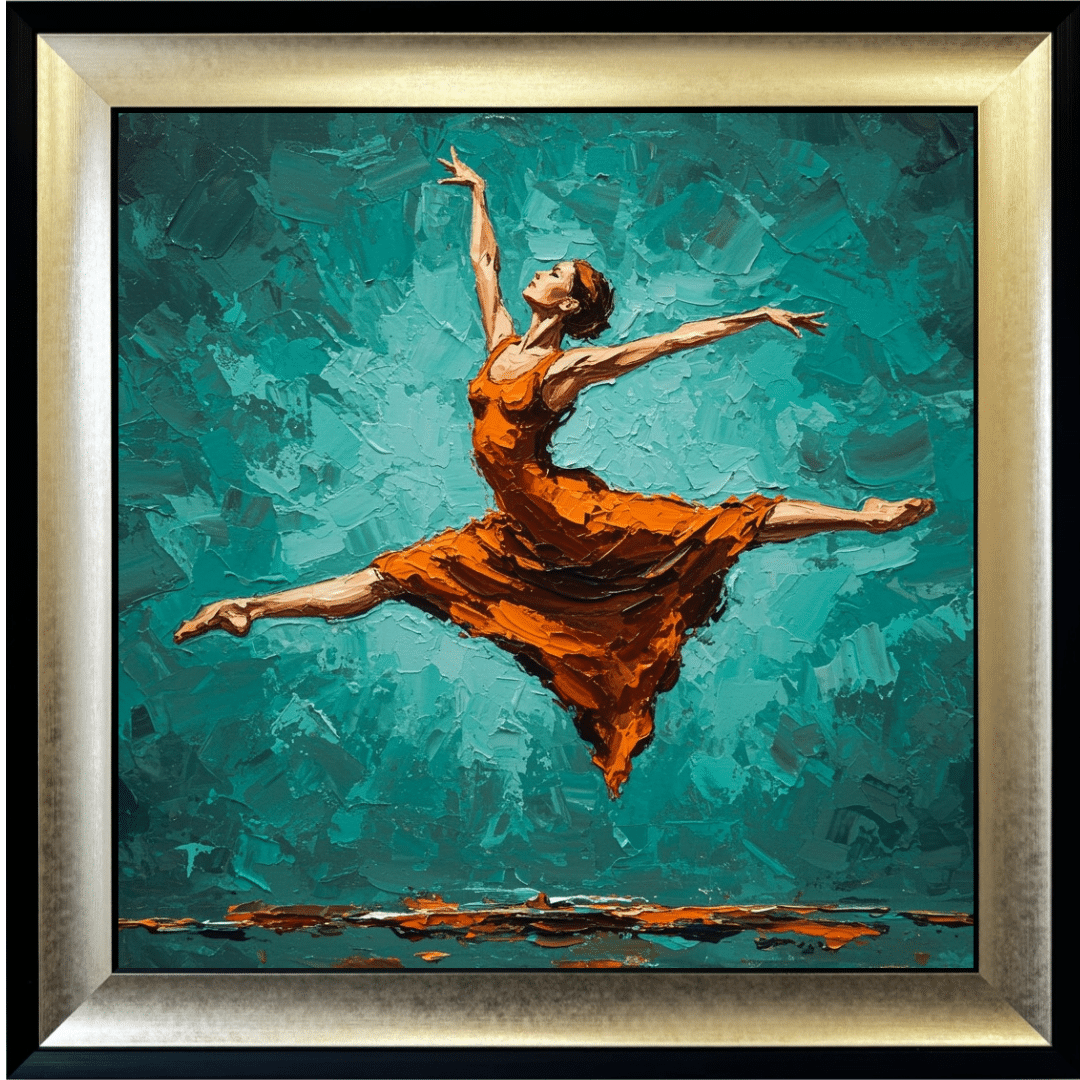
Abstract Framed Art: How to Choose and Style It at Home
Abstract Framed Art: A Guide to Choosing and Styling It
Abstract framed art can bring colour, movement and personality to a room. From bold geometric shapes to soft, expressive brushstrokes, it offers a way to make a space feel distinctive without relying on recognisable scenes or subjects. The frame adds a finishing touch, helping the artwork sit comfortably within its surroundings.
What makes abstract art so versatile?
Abstract art does not aim to depict the world exactly as it appears. Instead, it uses elements such as colour, line, texture and form to create an impression or mood. That openness is part of its appeal: different people may see different things in the same work, and its meaning can shift with the setting.
Abstract prints and paintings are also available in an enormous range of styles. A quiet composition in muted tones can bring a sense of calm to a bedroom, while a large, vivid piece can become the focal point of a living room or hallway.
Choosing the right frame
A frame should support the artwork rather than compete with it. A simple black, white or natural-wood frame often works well with contemporary pieces, keeping attention on the image. For a more decorative interior, a metallic or richly coloured frame can add character, provided it complements the artwork and the room.
Consider the finish as well as the colour. A slim frame can give a print a clean, modern edge; a wider profile may feel more substantial. A mount—the border between the artwork and its frame—can create breathing space around the image and help it stand out. It is especially useful when the artwork has a pale background or is being displayed on a similarly coloured wall.
Finding the right size and position
Scale makes a noticeable difference. A small framed print can feel lost on a large, empty wall, while an oversized piece may overwhelm a compact room. Before choosing, measure the available space and consider the furniture around it. Above a sofa or console table, artwork often looks balanced when it takes up roughly two-thirds of the furniture’s width.
For a gallery wall, combine different sizes while keeping one or two elements consistent, such as frame colour, subject or palette. Lay out the arrangement on the floor first, or use paper templates on the wall to test the spacing. In most rooms, placing the centre of the artwork at approximately eye level is a useful starting point.
Co-ordinating colour and style
Abstract framed art can either echo the existing colour scheme or introduce a deliberate contrast. To create a cohesive look, pick out one or two colours from the artwork and repeat them in cushions, rugs or smaller accessories. For a more striking effect, choose a piece that contrasts with the room’s dominant tones.
There is no need for every detail to match. A contemporary abstract print can sit comfortably in a more traditional home, while a softly coloured composition can balance industrial materials such as concrete, brick or metal. The key is to create a connection somewhere in the room—through colour, texture or shape.
Practical considerations
Think about where the artwork will hang. Direct sunlight can cause some prints and colours to fade over time, so a wall away from strong sun is often a better choice. In kitchens and bathrooms, humidity may affect certain materials; check that the frame and artwork are suitable for the conditions.
For original works or valuable prints, consider protective glazing and appropriate hanging hardware. Lightweight pieces may need only a standard picture hook, while larger frames should be secured with fixings suited to the wall.
A personal finishing touch
The best abstract framed art is not necessarily the piece that follows a trend. It is the one that feels right in your space—whether it adds a burst of energy, softens a room or simply makes you pause and look again. With a thoughtful choice of frame, size and placement, abstract art can become a lasting part of your home.
Enhancing Your Space: The Benefits of Abstract Framed Art
- Adds colour and character to a room
- Creates a striking focal point
- Suits a wide range of interiors
- Offers endless styles and palettes
- Frames give artwork a polished finish
- Easy to personalise and rearrange
Considerations Before Choosing Abstract Framed Art for Your Home
- Can be expensive, especially for original pieces.
- May clash with existing décor.
- Large frames can dominate a small room.
- Glass can create distracting reflections.
- Some prints may fade in direct sunlight.
- Abstract styles may not appeal to everyone.
Adds colour and character to a room
Abstract framed art is an easy way to add colour and character to a room. A vibrant composition can brighten a neutral space, while subtle tones can bring warmth and depth without overwhelming the décor. Its shapes, textures and colours also create a focal point, giving the room a more personal feel and reflecting your individual style.
Creates a striking focal point
Abstract framed art can create a striking focal point, drawing the eye and giving a room a clear centre of interest. A bold composition, vivid colour or distinctive frame can stand out against simpler décor, adding character without the need to redecorate the whole space. It can also help anchor the surrounding furniture and bring the room’s colours and textures together.
Suits a wide range of interiors
Abstract framed art suits a wide range of interiors, from sleek, contemporary spaces to cosy, traditional homes. Its varied colours, shapes and styles make it easy to complement an existing décor scheme or introduce a contrasting focal point. A carefully chosen frame can further tie the artwork to the room, creating a cohesive look without limiting personal style.
Offers endless styles and palettes
Abstract framed art offers an almost endless choice of styles and colour palettes, making it easy to find a piece that suits your taste and complements your home. From bold geometric forms and vivid contrasts to delicate brushstrokes and calming neutral tones, there is something for every mood and interior. This variety also makes it simple to introduce a splash of colour, create a focal point or bring a room’s existing palette together.
Frames give artwork a polished finish
A frame gives abstract artwork a polished, finished look, helping it feel considered and complete. It creates a clear boundary between the piece and the wall, while a well-chosen colour and style can complement the artwork without distracting from it. Whether simple and understated or bold and decorative, a frame helps the art sit neatly within a room.
Easy to personalise and rearrange
Abstract framed art is easy to personalise and rearrange, making it simple to refresh a room as your tastes or décor change. Mix different colours, styles and frame sizes to create a display that feels uniquely yours, then swap pieces around or move them to another wall whenever you fancy a new look.
Can be expensive, especially for original pieces.
One potential drawback of abstract framed art is the cost. Original works can be particularly expensive, and the price may rise further when professional framing is included. Even high-quality prints can become costly if they require custom frames, specialist mounts or protective glazing. Setting a budget in advance can help, and affordable prints or ready-made frames offer ways to enjoy the look for less.
May clash with existing décor.
Abstract framed art can clash with existing décor if its colours, style or frame feel at odds with the room. A bold, high-contrast piece may overwhelm a calm interior, while an ornate frame can look out of place in a minimalist setting. Before buying, consider how the artwork will work with the room’s existing palette, furniture and finishes.
Large frames can dominate a small room.
Large frames can easily dominate a small room, making the space feel crowded and drawing attention away from other features. Before choosing a piece, measure the wall and consider the furniture nearby; a smaller work, a slim frame or a carefully arranged group of prints may create a more balanced effect.
Glass can create distracting reflections.
Glass can protect abstract framed art from dust and damage, but it may also create distracting reflections, particularly when the piece is placed opposite a window or beneath strong lighting. Glare can obscure colours and details, making the artwork harder to appreciate from certain angles. Positioning it away from direct light or choosing anti-reflective glazing can help reduce the problem.
Some prints may fade in direct sunlight.
One drawback of abstract framed art is that some prints may fade when exposed to direct sunlight over time. Colours can lose their vibrancy, altering the artwork’s original appearance. To help protect a print, display it away from strong sunlight and check whether its glazing offers UV protection.
Abstract styles may not appeal to everyone.
One possible drawback of abstract framed art is that its style may not appeal to everyone. Because it often favours colour, shape and texture over recognisable subjects, some people may find it difficult to connect with or prefer more traditional imagery. This can be worth considering when choosing artwork for a shared space, where tastes may differ.