

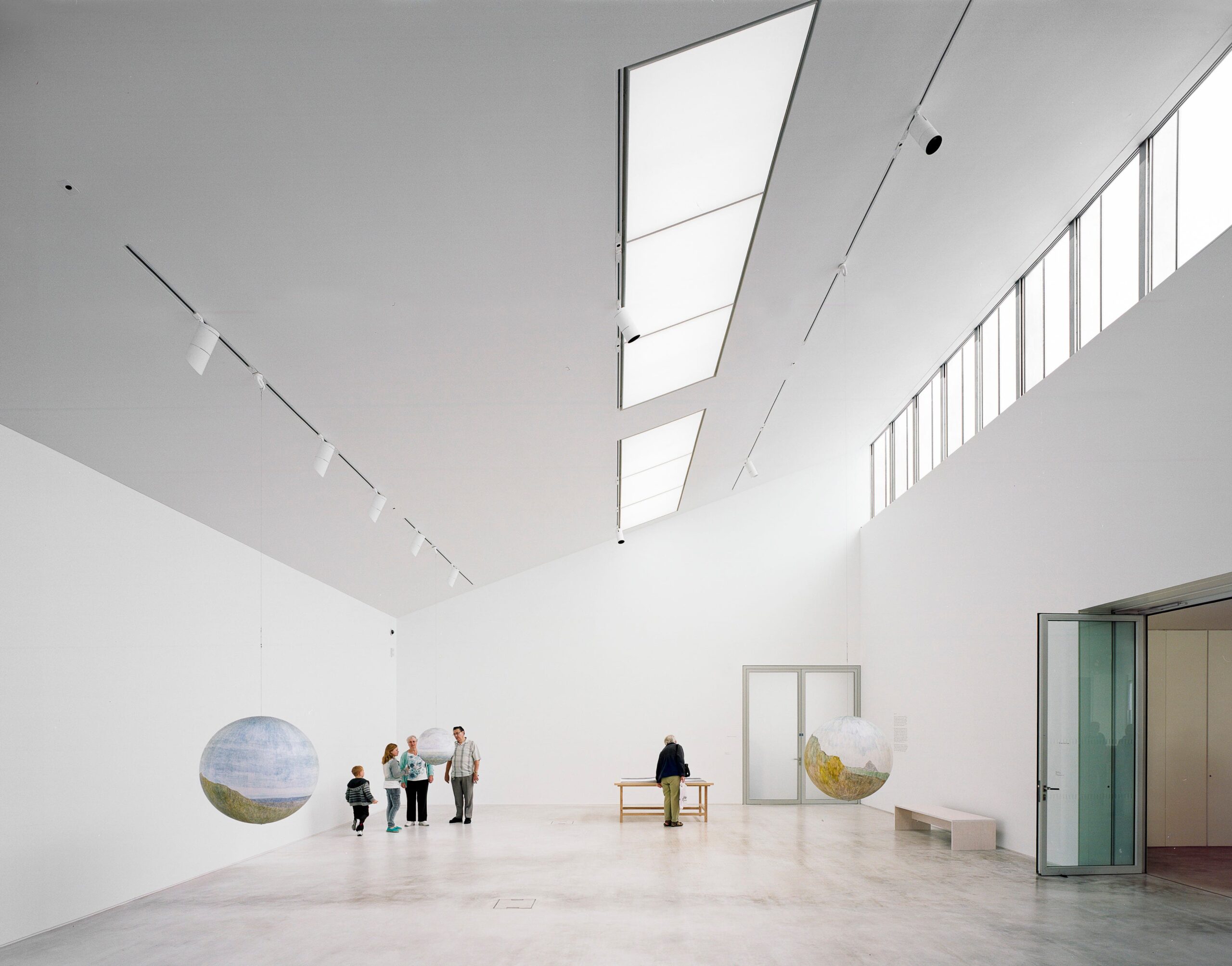
What Does Contemporary Mean? Art, Design and Life Today
What Does Contemporary Mean?
The word contemporary sounds straightforward: it describes something belonging to the present. Yet its meaning shifts with context. Contemporary art, contemporary design and contemporary culture each reflect the times in different ways—and none can be defined by appearance alone.
A word rooted in the present
In everyday use, “contemporary” can simply mean modern or current. It may describe a building, an idea or a work of art made in recent years. But the term also carries a broader sense: being in conversation with the world as it is now.
That conversation might involve technology, identity, climate, politics or the way people live together. A contemporary work does not have to address a headline directly. It may instead reveal the assumptions, anxieties and possibilities of its moment through its materials, style or point of view.
Contemporary art: more than a look
Contemporary art is often mistaken for a particular visual style. In reality, it includes an extraordinary range of approaches, from painting and sculpture to film, performance, sound and digital media. Some artists use traditional techniques; others experiment with new technologies or everyday objects.
What connects these practices is not a single aesthetic but their relationship to the present. Artists may question who gets to tell a story, explore how images shape our understanding of the world, or reconsider what counts as art. A work can be playful, beautiful, unsettling or deliberately difficult—and sometimes all of these at once.
Design for changing lives
Contemporary design also responds to the conditions of its time. Designers balance form and function while considering how people use spaces, objects and services. Today, that can mean thinking about accessibility, sustainability, repair and the impact of digital life.
A contemporary interior, for example, need not follow a fashionable palette or embrace minimalism. It might combine inherited furniture with new pieces, adapt to different needs or make clever use of limited space. The defining quality is often its attentiveness to how people live now.
Why the contemporary keeps changing
Unlike historical labels, “contemporary” has no fixed endpoint. What feels current today will eventually become part of the past. The term is therefore useful, but also temporary: it describes a moving landscape rather than a settled period.
That instability can be productive. It encourages us to look again at familiar things and notice how their meanings change. A photograph, a public space or a piece of clothing may seem ordinary until we consider the social and cultural forces around it.
Paying attention to the present
To engage with the contemporary is not simply to chase whatever is new. It is to pay attention: to the ideas shaping daily life, to voices that have been overlooked and to the choices that influence the future.
Contemporary work matters when it helps us see the present more clearly—or imagine how it might be different. Its value lies not in being fashionable, but in opening a space for questions, connections and new ways of looking.
Understanding Contemporary: Answers to 8 Frequently Asked Questions
- What does “contemporary” mean?
- What is the difference between contemporary and modern?
- What is contemporary art?
- When did the contemporary art period begin?
- What are the main characteristics of contemporary art?
- What is contemporary design?
- What is contemporary style in interior design?
- How can you identify contemporary art or design?
What does “contemporary” mean?
“Contemporary” means belonging to or reflecting the present time. The word can describe art, design, ideas, people or events that are current or shaped by the world we live in today. Its meaning depends on context: contemporary art, for example, is not defined by one particular style, but by the ways artists respond to the issues, materials and experiences of their time.
What is the difference between contemporary and modern?
“Modern” and “contemporary” are often used interchangeably, but they can mean different things. Modern usually refers to a specific historical period or movement—particularly Modernism, which emerged in the late 19th and early 20th centuries—while contemporary describes work or ideas of the present day. In design and art, something modern may draw on the clean lines and principles of Modernism; something contemporary reflects current tastes, technologies and concerns, which continue to change over time.
What is contemporary art?
Contemporary art is art created by artists living and working in the present day. It includes a wide range of forms and approaches—from painting and sculpture to photography, installation, performance and digital media—rather than one defining style. Often shaped by current social, cultural and political concerns, contemporary art can challenge familiar ideas, explore new materials or invite viewers to see the world differently.
When did the contemporary art period begin?
The contemporary art period is generally considered to have begun around the mid-to-late 20th century, often after the Second World War, although there is no universally agreed starting date. Some art historians place its beginnings in the 1960s, when artists increasingly challenged traditional ideas about art and experimented with new media, concepts and ways of working. The term usually refers to art made from this period to the present day.
What are the main characteristics of contemporary art?
Contemporary art is diverse and constantly evolving, with no single style or medium defining it. It often reflects current social, cultural and political concerns, while questioning established ideas about art, identity and the world around us. Artists may work across painting, sculpture, photography, performance, film and digital media, combining traditional techniques with new technologies and materials. Experimentation, personal perspective and audience participation are also common, making contemporary art as much about the ideas and experiences it invites as the finished work itself.
What is contemporary design?
Contemporary design refers to design being created in the present, shaped by today’s lifestyles, technologies and concerns. It has no single fixed style: it may be minimalist or expressive, traditional or experimental. Instead, contemporary design is recognised by its response to current needs and ideas, often with attention to functionality, sustainability, accessibility and the materials used. Because tastes and priorities change, what counts as contemporary design evolves over time.
What is contemporary style in interior design?
Contemporary style in interior design reflects the way people live today, so it is not tied to one fixed look. It often features clean lines, uncluttered spaces, practical layouts and a thoughtful mix of materials, textures and furnishings. Neutral colours may provide a calm foundation, with art, lighting or carefully chosen accents adding character. Rather than following a strict set of rules, contemporary interiors balance comfort and function with current ideas, adapting as tastes and lifestyles change.
How can you identify contemporary art or design?
Contemporary art or design is not defined by one particular look; it is generally work created in the present day that reflects, questions or responds to current ideas, technologies and ways of life. Look at when and why it was made, the materials and methods used, and the themes or needs it addresses. Contemporary work can be experimental or traditional, minimal or expressive, so its context and purpose are often more revealing than its appearance alone.