

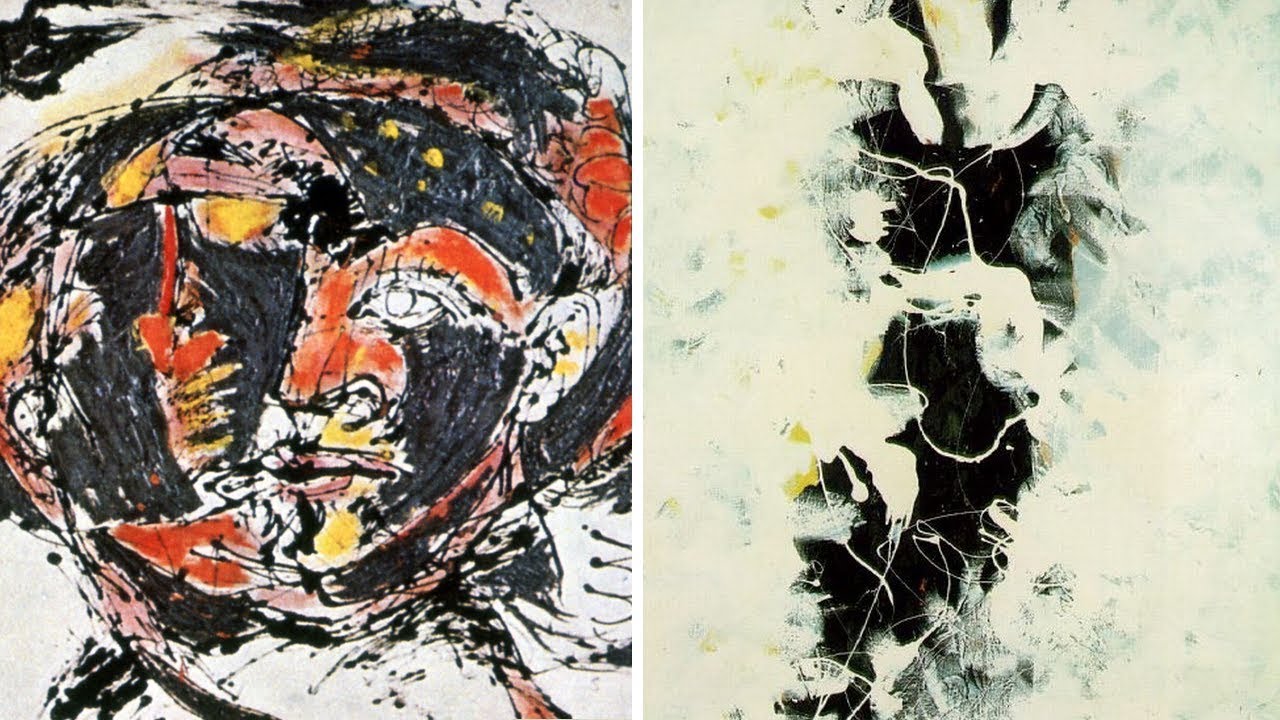
Unleashing the Creative Revolution: Exploring Jackson Pollock’s Artistic Legacy
The Revolutionary Art of Jackson Pollock
Jackson Pollock, an American painter known for his revolutionary contributions to the abstract expressionist movement, remains a towering figure in the world of modern art. Born in 1912 in Cody, Wyoming, Pollock’s artistic journey would redefine the very nature of painting and challenge conventional ideas of artistry.
One of Pollock’s most iconic and influential techniques was his unique method of drip painting. By placing his canvas on the floor and applying paint with energetic, rhythmic movements using sticks and brushes (and sometimes even dripping or pouring paint directly from cans), Pollock created dynamic, intricate compositions that seemed to capture the essence of movement and emotion.
His famous works, such as “Autumn Rhythm” and “Blue Poles,” are celebrated for their raw energy, bold colours, and sense of controlled chaos. The seemingly random patterns and splatters in his paintings invite viewers to interpret and experience the artwork in their own way, breaking free from traditional representational forms.
Pollock’s approach to art was not just about the final product but also about the process itself – a form of action painting that embodied spontaneity and intuition. His work blurred the lines between artist and artwork, with Pollock becoming almost inseparable from his creations.
Despite facing criticism and controversy during his lifetime, Jackson Pollock’s legacy endures as a symbol of artistic freedom and experimentation. His influence can be seen in countless contemporary artists who continue to push boundaries and explore new possibilities in abstract art.
As we reflect on the life and work of Jackson Pollock, we are reminded of his enduring impact on the art world – a testament to the power of creativity, innovation, and daring to break free from convention.
Exploring the Dynamic World of Jackson Pollock: 8 Tips for Understanding His Art
- Jackson Pollock was a major figure in the abstract expressionist movement.
- He was known for his unique style of drip painting, where he would fling or pour paint onto the canvas.
- Pollock’s works often convey a sense of energy, movement, and emotion.
- His paintings are characterised by their chaotic yet harmonious compositions.
- Pollock used unconventional tools like sticks and hardened brushes to create his intricate patterns.
- He believed in expressing his inner emotions through his art rather than focusing on representation.
- Visiting museums or galleries that exhibit Pollock’s work can provide a deeper understanding and appreciation of his art.
- Exploring books or documentaries about Jackson Pollock can offer insights into his life and artistic process.
Jackson Pollock was a major figure in the abstract expressionist movement.
Jackson Pollock was a significant figure in the abstract expressionist movement, known for his groundbreaking contributions to modern art. His innovative techniques and bold approach to painting helped redefine the boundaries of artistic expression, inspiring generations of artists to explore new forms of creativity and self-expression. Pollock’s influence on the art world remains profound, cementing his legacy as a pioneer of abstract art and a visionary in the realm of artistic innovation.
He was known for his unique style of drip painting, where he would fling or pour paint onto the canvas.
Jackson Pollock, renowned for his distinctive style of drip painting, revolutionised the art world with his unconventional technique of flinging or pouring paint onto the canvas. This method allowed him to create dynamic and intricate compositions that captured the essence of movement and emotion in a way that was unprecedented at the time. Pollock’s innovative approach to art challenged traditional notions of painting and paved the way for a new era of abstract expressionism.
Pollock’s works often convey a sense of energy, movement, and emotion.
Jackson Pollock’s art is renowned for its ability to convey a profound sense of energy, movement, and emotion. Through his distinctive drip painting technique, Pollock captured the essence of dynamic motion on canvas, creating compositions that pulsate with life and vitality. The spontaneous and unrestrained nature of his work evokes a range of emotions in viewers, inviting them to immerse themselves in the swirling patterns and vibrant colours that seem to dance across the surface. In experiencing Pollock’s art, one can feel the intensity of his creative process and the emotional depth that permeates each brushstroke and drip of paint.
His paintings are characterised by their chaotic yet harmonious compositions.
Jackson Pollock’s art is renowned for its chaotic yet harmonious compositions. His paintings, such as “Autumn Rhythm” and “Blue Poles,” showcase a dynamic interplay of swirling lines, splatters, and drips that seem to dance across the canvas with a sense of controlled chaos. Despite the apparent disorder in his work, there is an underlying harmony that emerges from the rhythmic energy and spontaneity of his brushstrokes. Pollock’s ability to balance chaos and order in his compositions is what makes his art truly mesmerising and continues to captivate audiences around the world.
Pollock used unconventional tools like sticks and hardened brushes to create his intricate patterns.
Jackson Pollock, a trailblazing artist in the realm of abstract expressionism, defied traditional painting methods by utilising unconventional tools such as sticks and hardened brushes to craft his intricate patterns. By abandoning the conventional use of paintbrushes and instead embracing these unorthodox implements, Pollock imbued his artworks with a sense of spontaneity and raw energy that captivated viewers and revolutionised the art world.
He believed in expressing his inner emotions through his art rather than focusing on representation.
Jackson Pollock, a pioneering figure in the world of abstract expressionism, was known for his belief in using art as a means to express his innermost emotions and thoughts. For Pollock, the act of creating art was not about replicating reality or focusing on representation; instead, it was a deeply personal and emotional process through which he could channel his innermost feelings onto the canvas. By embracing this approach, Pollock revolutionised the way art was perceived and created, inspiring generations of artists to explore the depths of their own emotions through their work.
Visiting museums or galleries that exhibit Pollock’s work can provide a deeper understanding and appreciation of his art.
Visiting museums or galleries that exhibit Jackson Pollock’s work can offer a profound insight into his artistic genius and creative process. Seeing his iconic drip paintings up close allows viewers to appreciate the intricate details, textures, and emotions embedded in each artwork. Through this immersive experience, art enthusiasts can gain a deeper understanding of Pollock’s revolutionary techniques and the impact of his abstract expressionist style on the art world. Witnessing his pieces in person can evoke a sense of awe and inspiration, connecting viewers with the essence of Pollock’s innovative approach to painting.
Exploring books or documentaries about Jackson Pollock can offer insights into his life and artistic process.
Exploring books or documentaries about Jackson Pollock can offer invaluable insights into both his turbulent life and his groundbreaking artistic process. Delving into the pages of a biography or immersing oneself in a documentary film can provide a deeper understanding of the influences, struggles, and motivations that shaped Pollock’s iconic works. By uncovering the intricacies of his creative journey and the evolution of his revolutionary painting techniques, enthusiasts can gain a richer appreciation for the enduring legacy of this pioneering artist.