

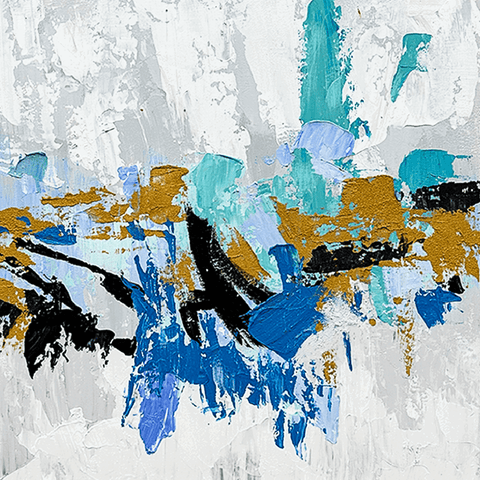
Contemporary Oil Painting: Tradition, Experimentation and New Perspectives
Contemporary Oil Painting: An Old Medium with New Possibilities
Oil painting has been used for centuries, yet it remains very much alive in contemporary art. Today’s artists use the medium to explore subjects ranging from identity and memory to everyday life, politics and the natural world. Some build on the traditions of portraiture and landscape; others use oil paint in experimental ways, pushing its textures, colours and familiar conventions in unexpected directions.
Why oil paint still matters
Oil paint is made by suspending pigment in a drying oil, commonly linseed oil. Its slow drying time gives artists the opportunity to blend colours, revise passages and work gradually across a surface. It can be applied in thin, translucent layers or in thick strokes that hold the marks of a brush or palette knife.
These qualities make oil paint unusually adaptable. A painter can create delicate shifts in tone, build up a richly layered surface or leave an image looking immediate and unfinished. The medium’s depth and flexibility are part of its appeal, but so is its history: each new work enters into a conversation with centuries of painting.
Tradition and experimentation
Contemporary oil painting is not one recognisable style. Some painters use techniques associated with classical painting, such as careful drawing, controlled glazing and detailed observation. Others work quickly, allowing loose brushwork, visible revisions and chance effects to shape the finished image.
Many move between these approaches. A realistic figure might sit within a freely painted setting, or a carefully observed still life might include abstract marks. Artists may also use unconventional supports, combine oil paint with other materials or make deliberate use of cracking, scraping and uneven surfaces. Rather than treating technical polish as the only measure of skill, contemporary painters often draw attention to the process of making the image.
New subjects, familiar forms
Portraiture, landscape and still life remain important, but their meanings have changed. A portrait can consider how identity is shaped by family, community, gender or public image. A landscape may address environmental change, urban growth or a personal sense of place. Everyday objects can prompt questions about consumer culture, domestic life and memory.
Artists also draw on photography, film, digital images and social media. A painting might begin with a photograph, combine several visual sources or imitate the cropped framing of a phone screen. Yet the physical act of painting brings a different quality to these images. The surface records decisions, gestures and corrections that a screen-based image may conceal.
The importance of the painted surface
In oil painting, the surface is not simply a window onto a subject. It can be an essential part of the subject itself. Smooth passages may contrast with rough, heavily worked areas; a thin wash may reveal the texture of the canvas beneath; thick paint may cast small shadows as it catches the light.
These contrasts affect how a work is experienced. A painting can appear calm from a distance and energetic up close. Its surface may encourage a slow, attentive look, revealing changes in colour and detail that are easy to miss at first. The viewer sees not only what the painting represents, but also traces of how it was made.
Working with oil paint today
Contemporary painters have access to a wide range of pigments, prepared canvases and painting mediums. Traditional materials remain in use, alongside products designed for convenience or specific effects. Some artists choose water-mixable oils, which can be cleaned up with water, while others continue to work with conventional oils and solvents.
Good studio practice matters. Oil paint can take a long time to dry, and different pigments and mediums behave in different ways. Artists need to consider ventilation, safe handling and the long-term stability of their materials. Conservation is another important part of the medium’s present-day story: how a painting is constructed affects how it can be cared for in the future.
A medium that keeps changing
The continued appeal of oil painting lies partly in its capacity for change. It carries the weight of art history, but it does not require artists to repeat the past. Its slow drying time, tactile surface and wide range of effects offer possibilities that remain distinctive, even in a culture filled with fast-moving digital images.
Contemporary oil painting brings old materials into contact with current ideas. Whether the result is a closely observed portrait, a bold abstract composition or an image drawn from everyday life, the medium gives artists room to experiment—and gives viewers a surface to return to, look at closely and interpret in their own way.
Exploring the Advantages of Contemporary Oil Painting: Vibrancy, Depth, and Timeless Expression
- Offers rich, vibrant colours.
- Allows subtle blending and tonal depth.
- Dries slowly, giving artists time to refine details.
- Creates expressive textures and visible brushwork.
- Connects contemporary art with a long history.
- Adapts to both realism and abstraction.
- Encourages close, rewarding viewing.
Challenges of Contemporary Oil Painting: Drying Times, Costs, Safety, and Tradition
- Oil paint can take a long time to dry.
- Materials and supplies can be expensive.
- Solvents may require careful handling.
- Traditional techniques can feel restrictive.
Offers rich, vibrant colours.
One of the great strengths of contemporary oil painting is its capacity for rich, vibrant colour. The pigments retain their intensity, while the paint’s natural depth allows artists to create glowing layers, subtle shifts in tone and striking contrasts. From luminous reds and deep blues to softly blended shades, oil paint can give a work a visual richness that draws the viewer in and holds the eye.
Allows subtle blending and tonal depth.
Oil paint’s slow drying time gives contemporary artists the freedom to blend colours gradually and refine transitions between light and shadow. This makes it possible to create subtle tonal shifts, soft edges and a convincing sense of depth, while layering translucent glazes can add richness and luminosity to the finished work.
Dries slowly, giving artists time to refine details.
One of the advantages of oil paint is its slow drying time, which gives artists plenty of opportunity to refine details as they work. Colours can be blended gradually, edges softened and small areas adjusted without rushing. This flexibility makes it easier to develop subtle transitions and carefully considered finishes, while allowing the painting to evolve through repeated observation and revision.
Creates expressive textures and visible brushwork.
Contemporary oil painting allows artists to create expressive textures and make brushwork an integral part of the image. Thick, energetic strokes can add movement and intensity, while softer, layered marks create subtle shifts in colour and mood. Rather than hiding the painting process, artists often leave these marks visible, giving each work a distinctive physical presence and inviting viewers to look closely at how it was made.
Connects contemporary art with a long history.
Contemporary oil painting connects today’s artists with a long and rich artistic history. By working with a medium used for centuries, painters can draw on established traditions of portraiture, landscape and still life while reinterpreting them for the present. Familiar techniques and materials may evoke earlier works, but contemporary subjects, perspectives and approaches give them fresh meaning. This relationship between past and present allows oil painting to feel both deeply rooted and continually renewed.
Adapts to both realism and abstraction.
One of contemporary oil painting’s greatest strengths is its ability to move between realism and abstraction. Artists can use fine brushes, subtle colour shifts and carefully layered paint to create convincing figures or detailed scenes, then contrast these with loose gestures, bold marks and simplified forms. This flexibility allows a single painting to combine precise observation with expressive experimentation, giving artists freedom to shape a style that suits their subject and ideas.
Encourages close, rewarding viewing.
Contemporary oil painting rewards close attention. From a distance, a work may appear calm or unified; up close, subtle shifts in colour, layered brushstrokes and small revisions come into view. These details invite viewers to slow down and spend time with the image, discovering fresh textures and meanings with each look.
Oil paint can take a long time to dry.
One drawback of contemporary oil painting is its slow drying time. A finished-looking surface may remain wet for days or even weeks, depending on the thickness of the paint and the materials used. This can make it difficult to work quickly, layer colours without disturbing earlier brushstrokes or transport and display a painting soon after completion. While the extended drying period gives artists time to blend and revise, it can also require patience, careful planning and plenty of studio space.
Materials and supplies can be expensive.
One drawback of contemporary oil painting is the cost of materials and supplies. Quality oil paints, brushes, canvases and mediums can be expensive, and artists may also need to invest in suitable storage, cleaning products and studio equipment. These costs can make it harder for beginners to experiment or for artists to maintain a regular practice, particularly when they need specialist pigments or larger canvases.
Solvents may require careful handling.
Some oil painters use solvents to thin paint or clean their brushes, but these substances require careful handling. Work in a well-ventilated space, avoid skin contact and follow the product’s safety instructions. Solvents should also be stored securely and disposed of responsibly, as improper use or disposal can pose risks to health and the environment.
Traditional techniques can feel restrictive.
For some artists, the long-established rules of oil painting can feel restrictive. Expectations around composition, colour, brushwork and technical finish may encourage painters to follow familiar conventions rather than take risks. Even the medium’s slow drying time can make spontaneous changes more difficult. While tradition can offer valuable skills and inspiration, contemporary artists may need to challenge or adapt it to find a style that feels genuinely their own.